
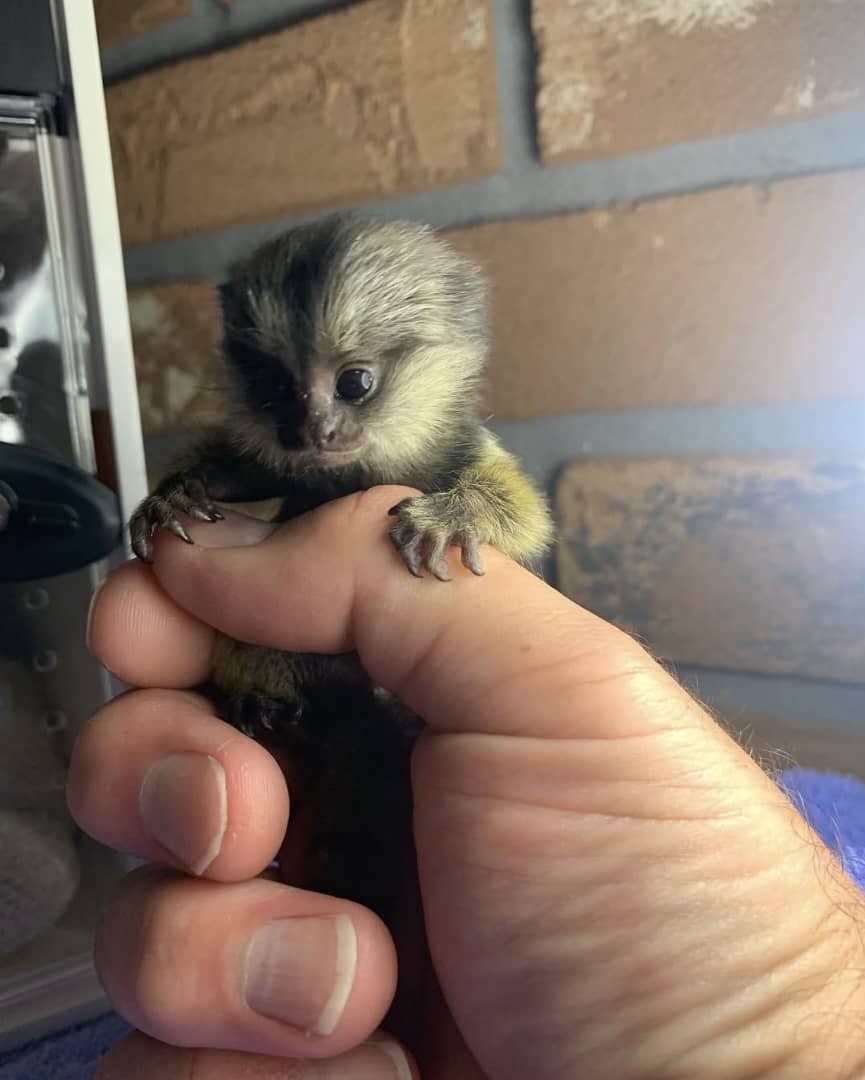
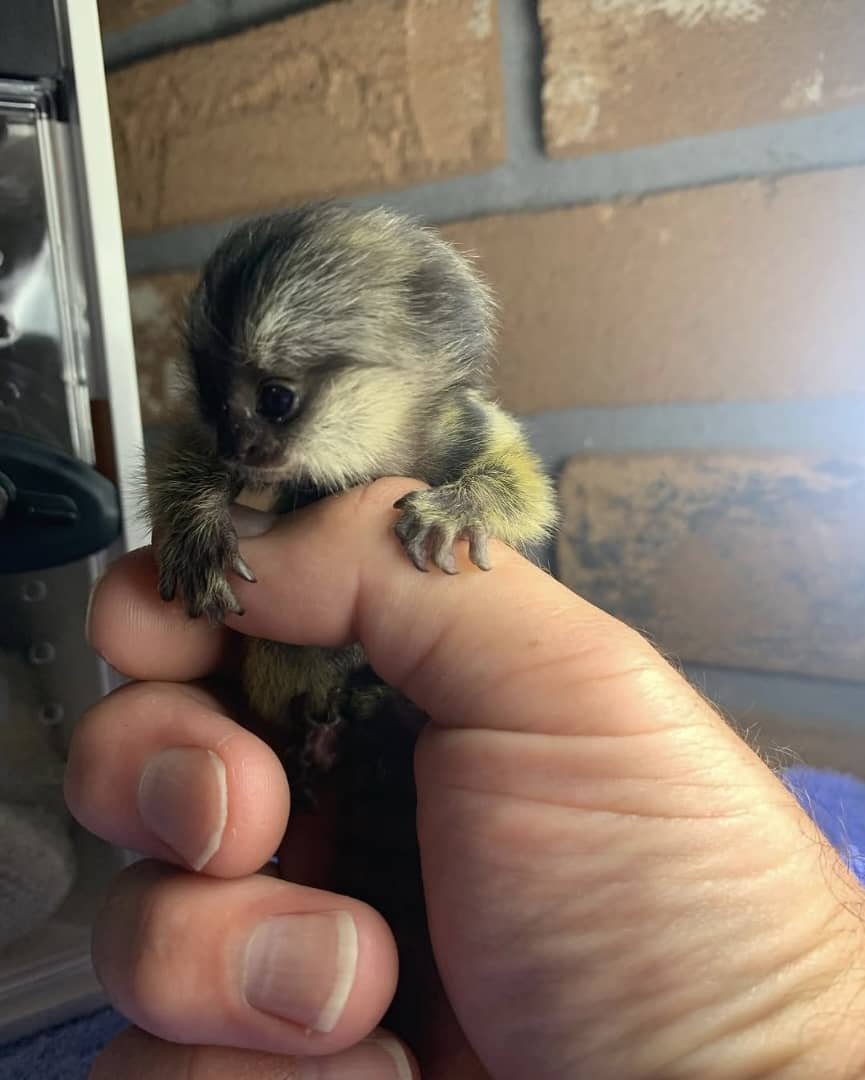
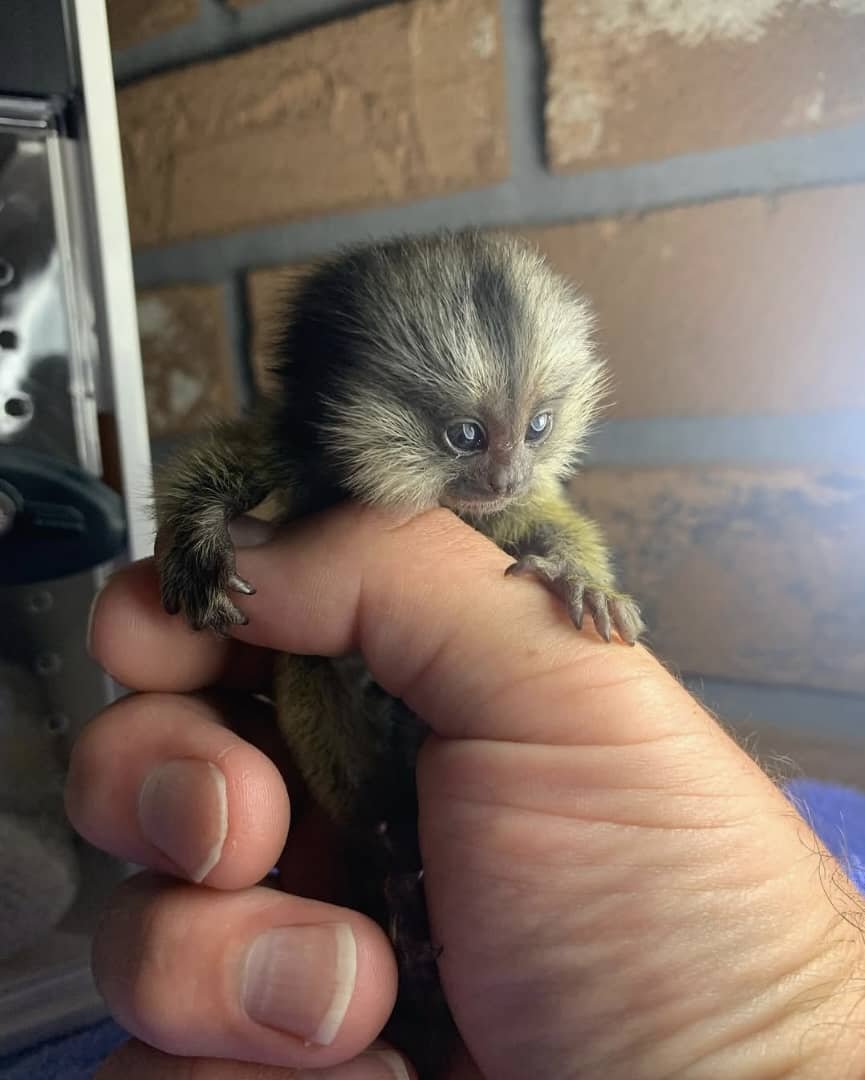
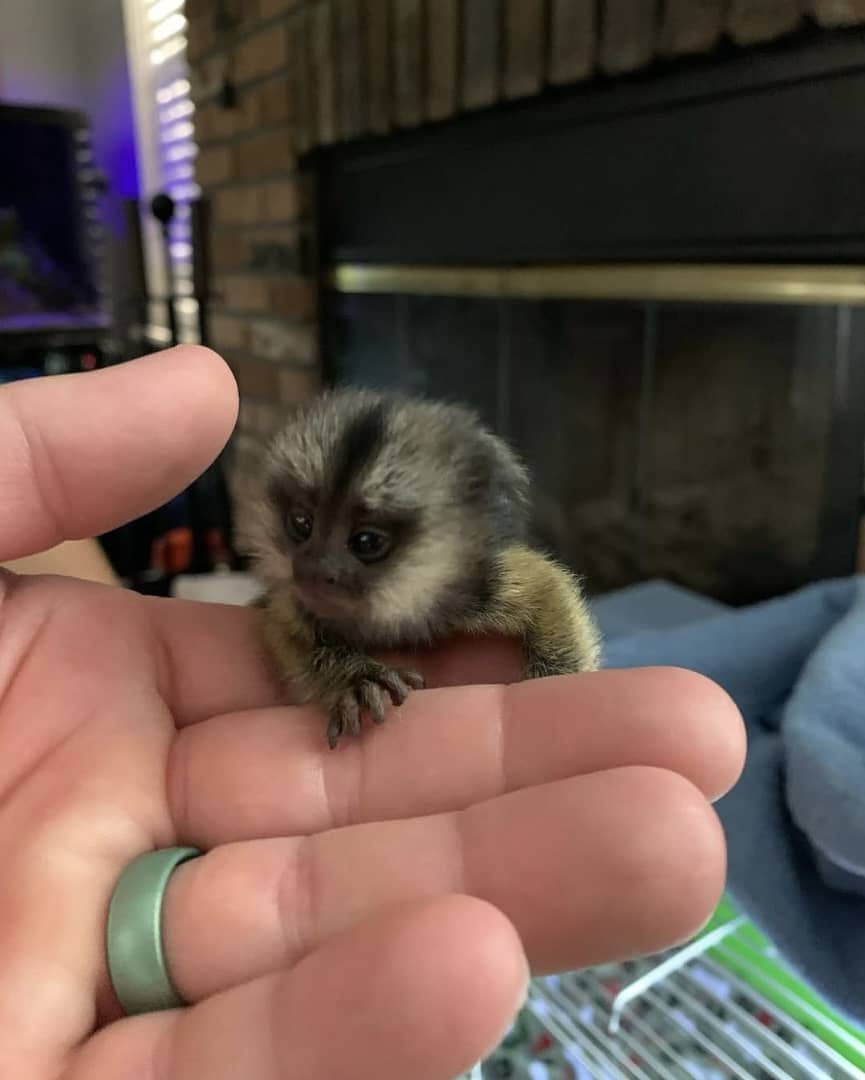


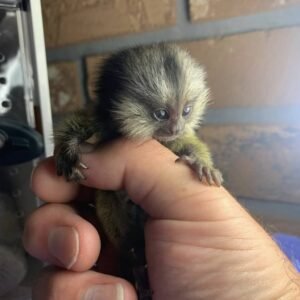
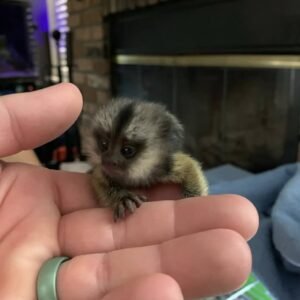


Meet Mia Finger Monkey at Liams Family Farms
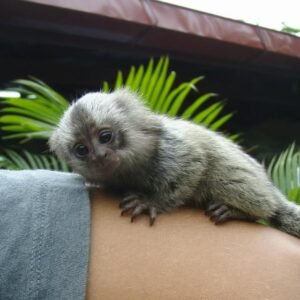
Meet Mia, a female pygmy marmoset at Liams Family Farms! At 18 weeks old, she is friendly and playful. Mia has been hand-raised and tamed, and all her health checks are reported as good.
Listed at $ 700, Mia is ready to go, subject to applicable legal requirements and confirmation that an appropriate placement can be arranged.
If you are researching the pygmy marmoset finger monkey, this listing introduces Mia and provides helpful information about pygmy marmoset monkey facts, specialist veterinary services, nutrition, habitat preparation and responsible care.
Mia’s Details
- Name: Mia
- Species: Pygmy marmoset (finger monkey)
- Gender: Female
- Age: 18 weeks old
- Personality: Friendly and playful
- Handling: Hand-raised and tamed
- Health information: All health checks reported as good
- Listed price: $ 700
- Availability: Listed as ready to go, subject to legal and placement requirements
- Optional starter pack: Available at an additional price
What Is a Pygmy Marmoset Monkey?
The pygmy marmoset is one of the smallest monkey species in the world. It is commonly called a finger monkey because of its exceptionally small size.
The pygmy marmoset monkey is an active, intelligent primate with specialized dietary, environmental, social and veterinary needs. Although a young pygmy marmoset monkey baby may look small and easy to handle, these animals are not domesticated pets.
Anyone researching a pygmy marmoset monkey as a pet should understand the responsibilities involved before considering ownership. Hand-raised and tamed describes an animal’s handling history; it does not mean that its complex needs disappear.
Optional Pygmy Marmoset Starter Pack
Liam’s Family Farms also has an optional starter pack available for Mia.
The listed starter-pack items include:
- Soft blanket
- Food
- Formula
- Syringe
- Miracle Nipple
- Cage
Starter pack price: Please DM us for pricing.
The starter pack is an introductory collection of supplies, not a complete guarantee of suitable long-term housing or nutrition. A qualified primate veterinarian should assess the cage, food, formula and feeding equipment before use. Follow professional guidance on feeding, formula preparation and the animal’s nutritional needs.
Pygmy Marmoset Monkey Care: What Should You Know?
Responsible pygmy marmoset monkey care involves planning for the animal’s needs throughout its life. Before considering a pygmy marmoset, research its adult size, lifespan, diet, social requirements, activity levels, habitat and access to specialist veterinary care.
1. Finding Pygmy Marmoset Veterinary Services
Which companies offer pygmy marmoset monkey veterinary services? Rather than choosing a clinic based only on its advertising, look for veterinary practices with demonstrated experience treating nonhuman primates and marmosets.
Where can you find reputable exotic pet veterinarians specializing in primates? Contact specialist exotic-animal hospitals, veterinary teaching institutions and qualified primate-care professionals. Ask whether they treat marmosets, provide routine examinations and can handle emergencies.
Not every exotic-animal veterinarian has the training or facilities needed to treat primates, so confirm this before making any commitment.
2. Specialized Food and Nutrition
What specialized food options are best for a pygmy marmoset? These primates have specialized nutritional requirements, so ordinary pet food or a general monkey-food product should not automatically be considered appropriate.
Ask a qualified primate veterinarian or zoological nutrition professional to recommend suitable food, feeding quantities and any necessary supplements.
What brands sell specialized food for pygmy marmoset monkeys? A veterinarian familiar with the species is the best person to recommend suitable products and assess their nutritional value. Avoid selecting supplements or formula based solely on online advertisements.
3. Habitat, Cage and Bedding
A pygmy marmoset monkey pet cage must be evaluated for safety, secure construction, ventilation, appropriate space and opportunities for climbing and natural activity.
When researching how to set up a habitat for a pygmy marmoset monkey using commercial products, consider:
- Secure enclosure construction
- Suitable climbing structures
- Safe resting areas
- Appropriate temperature and humidity
- Easy-to-clean surfaces
- Species-appropriate bedding and substrate
- Opportunities for natural movement and enrichment
Where should you purchase appropriate bedding and substrate for a pygmy marmoset habitat? Ask an experienced primate veterinarian or qualified zoological-care professional to identify safe materials before buying.
4. Enrichment and Activity
What kind of enrichment toys are safe and stimulating for pygmy marmosets? Appropriate enrichment should encourage natural behaviours, climbing, exploration and foraging.
Ask a specialist about safe branches, climbing structures and foraging activities. Avoid toys with sharp edges, toxic materials, detachable small parts or anything that could cause entanglement.
When looking for enrichment toys designed for pygmy marmoset monkeys, prioritize safety and suitability over decorative appearance.
5. Lifespan and Full-Grown Size
People researching the pygmy marmoset monkey lifespan or pygmy marmoset monkey full grown size should consult reliable zoological references and a qualified primate veterinarian.
Mia is currently 18 weeks old, but prospective keepers should plan for her needs as an adult rather than selecting housing and supplies based only on her current size.
Legal Requirements for Pygmy Marmoset Ownership
What permits or licenses are required to own a pygmy marmoset in your state? The answer depends on the location and applicable wildlife, animal-welfare and public-health regulations.
In the United States, federal CDC rules restrict the importation and distribution of nonhuman primates for pet use. State and local authorities may impose additional restrictions.
Before considering any purchase or placement, verify Mia’s origin and documentation and contact the relevant authorities to confirm whether possession, transport and placement are lawful. Do not assume that a seller’s availability statement means that ownership is permitted in your location.
Frequently Asked Questions
How much does Mia cost?
Mia is listed at $ 700. The optional starter pack has a separate price. Please DM Liam’s Family Farms for details.
Is Mia friendly?
Mia is described as friendly and playful. She has also been hand-raised and tamed.
How old is Mia?
Mia is currently 18 weeks old.
Are Mia’s health checks good?
Yes. Liam’s Family Farms reports that all her health checks are good. Prospective placements should request available veterinary records and discuss any additional examinations with a qualified primate veterinarian.
Are there reputable breeders of pygmy marmosets in the US?
Anyone researching breeders should independently verify the animal’s origin, documentation, veterinary records and legal compliance. Do not rely on advertising claims alone.
Can you buy a pygmy marmoset monkey?
Legal requirements vary by location. In the United States, CDC rules prohibit importing nonhuman primates as pets and restrict the distribution of imported primates and their offspring for pet use. State and local restrictions may also apply.
What is the best food for a pygmy marmoset?
A qualified primate veterinarian or zoological nutrition professional should recommend a species-appropriate diet. Do not assume ordinary pet food, supplements or commercially advertised formula will meet a marmoset’s nutritional requirements.
Where can I find pygmy marmoset monkey care guides online?
Look for reliable resources from recognized zoological institutions, veterinary organizations and qualified primate-care professionals. Use online guides as supplementary information, not a replacement for specialist veterinary advice.
Contact Liams Family Farms About Mia
Interested in learning more about Mia and the optional starter pack? Contact Liam’s Family Farms directly to ask about her available documentation, placement requirements and starter-pack price.
Responsible primate care begins with checking the law, arranging specialist veterinary support and preparing an appropriate long-term environment before any placement.
Be the first to review “Mia”
Related products
Finger Monkeys

Finger Monkeys
Finger Monkeys


Finger Monkeys

Finger Monkeys


Finger Monkeys
Reviews
There are no reviews yet.