
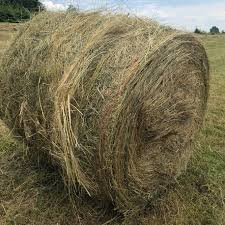


Foin de Longchamp ® for Sale – Premium Compressed Hay for Horses and Livestock
Looking for quality forage for your horses, cattle, goats, sheep, or livestock operation? Discover FOIN DE LONGCHAMP® at Liams Family Farms, a distinctive compressed hay product developed under specific production and quality-control requirements.
Foin de Longchamp® is a branded forage produced according to defined agricultural specifications. It is particularly suitable for horses and is also presented by its producer for use in cattle, sheep, and goat feeding programs. Its controlled production process, published nutritional information, and compacted bale formats make it an interesting option for horse owners, livestock farmers, stable managers, and agricultural businesses looking for consistent forage.
Unlike ordinary hay advertised simply by its color or cutting, Foin de Longchamp® is associated with a controlled growing and harvesting process. The official product information describes cultivation on agricultural land using approved forage cultivars, with production monitoring and quality checks carried out under the brand owner’s supervision.
Whether you are looking for hay for horses, comparing alfalfa hay and timothy hay, purchasing forage for a farm, or researching compressed hay for convenient handling and storage, this product deserves a closer look.
Shop Foin de Longchamp® from Liam’s Family Farms:
View Foin de Longchamp® and available quantities
Foin de Longchamp® Product Overview
Foin de Longchamp® is a branded forage product intended for customers who want more information about the source, production, nutritional characteristics, and handling of their hay.
| Product detail | Information |
|---|---|
| Product name | Foin de Longchamp® |
| Product category | Hay Bales |
| Product type | Compressed hay |
| Main recommended animal | Horses |
| Other stated livestock uses | Cattle, sheep, and goats |
| Available cutting types | First and second cut |
| Published protein range | 11–13% |
| Published energy range | 0.70–0.85 FU |
| Published mycotoxin information | Mycotoxin control is part of the stated production process |
| Compressed bale formats | CHC and Nano CHC formats |
| Product price displayed | $51–$2,754; varies by selected quantity |
| Bulk purchasing | Quantity options displayed on the product page |
| Bale weight and dimensions | Confirm the selected format before ordering |
| Delivery | Confirm current delivery arrangements with Liam’s Family Farms |
The nutritional figures above are published Foin de Longchamp® product specifications. Request the current batch analysis and confirm the units and values before using them to formulate an animal’s ration.
What Is Foin de Longchamp®?
Foin de Longchamp® is a branded hay product developed by Doulière Hay France. It is grown according to specific production requirements designed to meet the feeding and hygiene expectations of demanding customers.
According to the brand owner’s product information, the forage is generally cultivated on agricultural land that may be used in crop rotation or maintained as permanent forage land. Approved cultivars are established for a period of three to five years in collaboration with selected agricultural partners.
The growing, harvesting, monitoring, testing, and commercial process is managed under the brand owner’s production system.
This is an important distinction when comparing Foin de Longchamp® with ordinary hay purchased from an unidentified seller. Rather than relying only on a seller’s description of a bale as premium hay, buyers can investigate the brand’s published production specifications and ask for information about the particular batch.
What Makes Foin de Longchamp® Different?
Foin de Longchamp® has several characteristics that distinguish it from generic hay products:
- It is a specific branded forage product.
- It is cultivated under defined production specifications.
- The production system uses approved forage cultivars.
- The supplier describes monitoring and testing throughout production and storage.
- The supplier states that lots failing its quality criteria are identified and downgraded.
- Batch samples are described as being sent for laboratory analysis.
- The product is available in first- and second-cut formats.
- Compressed bale formats are available for easier handling and rationing.
These are brand-owner specifications. For a particular purchase, ask Liam’s Family Farms for the available product documentation, the exact bale format, and any current batch analysis.
Foin de Longchamp® Nutritional Information
When selecting hay for horses and livestock, nutritional information is more useful than relying on the word premium alone.
The Foin de Longchamp® brand information publishes a protein range of approximately 11–13% and an energy range of 0.70–0.85 forage units. Its published nutritional table also lists the following values:
| Nutritional measure | Published figure |
|---|---|
| Crude protein | 11–13% |
| Energy | 0.70–0.85 FU |
| UFL | 0.63 |
| NDF | 60.7 |
| ADF | 37.9 |
| ADL | 4.9 |
The values shown in the supplier’s table should be interpreted using the supplier’s stated analytical basis and units. The product page should ideally include the current laboratory report, including the analysis date, moisture or dry-matter basis, and units.
Why Does Protein Matter in Hay?
Protein is important for normal growth, tissue maintenance, and many body functions. Horses and livestock need different amounts depending on their age, body condition, workload, growth stage, pregnancy, and milk production.
A growing animal may have different protein requirements from a mature animal at maintenance. A lactating dairy animal may also have different requirements from a non-producing animal.
The protein percentage alone does not tell you whether a particular hay is appropriate for an animal. Total dry-matter intake, digestibility, energy, fiber, minerals, and the rest of the diet must also be considered.
What Are NDF, ADF, and ADL?
These are common forage-analysis measurements:
- NDF (Neutral Detergent Fiber): A measure of much of the plant’s cell-wall material. It is useful when assessing forage intake and fiber characteristics.
- ADF (Acid Detergent Fiber): A fiber measurement that includes cellulose and lignin and can help evaluate forage digestibility.
- ADL (Acid Detergent Lignin): A measure of lignin, a less digestible component of plant cell walls.
These measurements help livestock owners and nutrition professionals compare forage products. They should be interpreted together with the full laboratory report rather than used independently.
Foin de Longchamp® for Horses
Foin de Longchamp® is particularly promoted for horses. Horse owners often need reliable forage that can be incorporated into a feeding plan based on the animal’s body weight, condition, workload, and health.
Horses require forage as an important part of their daily diet. The correct forage quantity and type depend on the horse’s individual requirements and the other feed it receives.
Foin de Longchamp® offers compressed formats that can make storage, handling, and portioning more convenient when the selected format suits the stable’s feeding routine.
Why Consider Compressed Hay for Horses?
Compressed hay is designed to reduce the space required for storage and transportation compared with less compact formats.
Depending on the bale format, compressed hay may offer:
- More compact storage.
- Easier movement of smaller individual bales.
- More controlled portions.
- Convenient organization of feeding stock.
- Reduced storage volume compared with equivalent loose or less-compressed forage.
- A practical format for some stables and horse owners.
The exact storage savings depend on the bale format and the comparison product. Compression does not make poor-quality hay nutritious, and the hay still needs to be kept dry and protected from contamination.
How Much Foin de Longchamp® Does a Horse Need?
The supplier’s published feeding guidance includes a reference quantity of 6 kg of Foin de Longchamp® per day in two meals for a 450 kg horse.
This is a supplier reference, not a universal feeding prescription. The correct quantity for an individual horse must account for its body weight, pasture intake, workload, condition, forage analysis, and any additional feed.
A horse receiving other forage or concentrate may need a different amount. Ask an equine veterinarian or qualified equine nutritionist to help formulate a complete ration.
What Types of Hay Are Best for Feeding Horses?
There is no single best hay for every horse. The right forage depends on the horse’s nutritional requirements and health.
Common forage choices include:
- Grass hay.
- Timothy hay.
- Orchard grass hay.
- Meadow hay.
- Alfalfa hay.
- Suitable mixed-grass forage.
- Specialized branded forage products such as Foin de Longchamp®.
When comparing hay for sale for horses, check the forage analysis, smell, moisture, cleanliness, storage condition, and suitability for your horse.
For additional guidance, read the University of Minnesota Extension horse hay guide.
Foin de Longchamp® for Cattle
Cattle owners often compare hay products according to the nutritional requirements of beef cattle, dairy cows, breeding animals, and growing calves.
Foin de Longchamp® is also presented by its producer for cattle feeding. Its suitability for a particular herd depends on the animals’ production stage, the forage analysis, and the complete ration.
What Kind of Hay Is Best for Dairy Cows?
Dairy cows require a balanced diet that supports milk production, rumen function, body condition, and overall health.
The most suitable forage depends on:
- Milk production.
- Stage of lactation.
- Dry-matter intake.
- Protein and energy requirements.
- Fiber and digestibility.
- Mineral balance.
- Other forage and concentrates in the ration.
Alfalfa hay, grass hay, and diverse meadow hay can all have roles in cattle diets, depending on their composition and the needs of the animals.
When comparing Foin de Longchamp® with alfalfa hay or timothy hay for cattle, request the current laboratory analysis and compare the actual nutrient values.
Foin de Longchamp® for Goats and Sheep
Goat and sheep owners need forage that meets the animals’ nutritional requirements without creating an unbalanced ration.
The Foin de Longchamp® supplier includes cattle, sheep, and goats among the intended livestock uses.
The producer’s published feeding information gives a reference of 2–3 kg per day in two meals for cattle, sheep, and goats. This figure should not be treated as a universal ration for every animal. Actual feeding requirements vary considerably with animal size, production stage, other feed, and forage quality.
Choosing Hay for Goats
When selecting hay for goats, consider:
- Age and growth stage.
- Pregnancy or lactation.
- Body condition.
- Protein and energy requirements.
- Fiber and digestibility.
- Mineral balance.
- Access to clean water.
- The other forage and feed in the ration.
Alfalfa hay is another forage option commonly considered for goats because it is a legume hay. However, alfalfa and Foin de Longchamp® are not interchangeable products. Compare the actual nutritional analyses before choosing between them.
Choosing Hay for Sheep
Sheep feeding requirements differ according to whether the animals are growing, pregnant, lactating, breeding, or maintained for other purposes.
When comparing hay for sheep, check the protein, energy, fiber, minerals, moisture, and general condition of the forage. The correct amount should be based on the animal’s complete diet.
First-Cut and Second-Cut Foin de Longchamp®
Foin de Longchamp® is offered in first- and second-cut formats.
Cutting refers to the harvest from a forage field. Harvest timing, maturity, weather, and growing conditions influence the characteristics of the hay.
The supplier identifies the product as suitable in both first and second cuts. Its published product information also describes the second cut as suitable for cattle, sheep, goats, and rodents, while the first cut is particularly associated with horses.
First-Cut Foin de Longchamp®
First-cut forage comes from the earlier harvest of the growing season. Its characteristics depend on the crop, field conditions, maturity, and harvesting method.
Horse owners comparing first-cut forage should examine the actual texture, maturity, cleanliness, and nutritional analysis rather than assuming all first-cut hay has the same composition.
Second-Cut Foin de Longchamp®
Second-cut forage comes from a subsequent harvest after the field has regrown.
The brand’s published information identifies second-cut Foin de Longchamp® as suitable for cattle, sheep, goats, and rodents. However, suitability for a specific animal still depends on its individual dietary requirements and the current batch analysis.
What Is the Difference Between First- and Second-Cutting Hay?
The difference is primarily the harvest timing and the stage of plant maturity.
A first cutting is harvested earlier in the annual forage cycle, while a second cutting follows regrowth. Plant maturity, growing conditions, rainfall, and harvesting methods influence the final product.
It is not accurate to say that every second cutting is automatically softer, more nutritious, or better than every first cutting. A forage analysis and physical inspection are more useful when comparing products.
Compressed Hay Bales: CHC and Nano CHC Formats
One of the distinctive features of Foin de Longchamp® is its availability in calibrated high-compression formats.
The brand owner’s published information describes CHC bales as calibrated, compressed, palletized, and protected with film or netting. It also describes the use of polyane string.
The compact formats are designed to make hay easier to handle and ration.
CHC Compressed Hay Bales
The supplier publishes the following CHC format:
- Dimensions: 40 × 45 × 50 cm.
- Published weights: 30 kg or 40 kg.
Nano CHC Compressed Hay Bales
The supplier also publishes a smaller Nano CHC format:
- Dimensions: 50 × 40 × 30 cm.
- Published weight: 25 kg.
Why Choose Compressed Hay?
Compressed bales may be useful for customers who want to organize forage storage and feeding quantities more efficiently.
Potential advantages include:
- Compact storage: Compressed formats use less storage space than equivalent loose or less-compressed forage.
- Convenient handling: Smaller calibrated bales may be easier to move than large traditional bales.
- Portion management: Standardized bale sizes can make it easier to plan feeding quantities.
- Transport efficiency: Compact packaging may improve the amount of forage that can be handled within available transport space.
- Organized inventory: Palletized hay can be easier to organize and count.
Compression is not a substitute for proper curing and storage. Hay must still be stored in suitable dry conditions, and packaging should be checked for damage before use.
Large Hay Bales, Small Square Bales, and Compressed Bales
Hay buyers often compare traditional small square bales, large square bales, round bales, and compressed bales.
Each format has different handling and storage requirements.
- Small square bales: Often easier to handle manually and useful for smaller farms and stables.
- Large square bales: Suitable for farms with the equipment and storage space needed to handle them.
- Round bales: Often used by livestock operations with suitable machinery and feeding arrangements.
- Compressed bales: Designed to reduce storage volume and provide convenient portions.
Clover Hill Farm’s hay page is a useful example of how a supplier can organize hay by cutting, animal use, and bale format. Its page describes small square bales, large square bales, wrapped round bales, and delivery arrangements for its own farm products. Those specifications should not be confused with the Foin de Longchamp® compressed formats.
Foin de Longchamp® vs. Alfalfa Hay vs. Timothy Hay
Customers searching for hay for sale often compare several types of forage before choosing a product.
Foin de Longchamp®, alfalfa hay, and timothy hay are different forage products.
Foin de Longchamp®
Foin de Longchamp® is a specific branded hay product grown under the brand owner’s defined production specifications. It is particularly promoted for horses and is also presented for cattle, sheep, and goats.
It is available in first- and second-cut formats and in compressed bale options.
Alfalfa Hay
Alfalfa is a legume forage. It is often valued for its protein and calcium content compared with many grass hays.
It is used in selected feeding programs for cattle, goats, horses, and some young small animals. The correct amount depends on the animal’s nutritional needs.
Timothy Hay
Timothy is a grass forage commonly used for horses and small animals such as rabbits and guinea pigs.
It is often selected as a grass-based forage option. The nutritional composition varies with maturity, cutting, and harvesting conditions.
Alfalfa Hay vs. Timothy Hay for Cattle
Alfalfa and timothy have different nutritional profiles.
Alfalfa is a legume and generally contains more protein and calcium than many grass hays. Timothy is a grass forage with a different fiber and nutrient profile.
For cattle, the appropriate choice depends on the animal’s production stage, the total ration, and the analysis of the actual hay.
Alfalfa vs. Hay: What Is the Difference?
Alfalfa is one specific forage plant. Hay is the general term for dried forage used as animal feed.
Alfalfa hay is therefore a type of hay, just as timothy hay and meadow hay are types of hay.
Foin de Longchamp® is a distinct branded forage product and should not be described as alfalfa or timothy unless its actual product specifications confirm that description.
How to Identify High-Quality Hay Before Buying
Whether you are purchasing Foin de Longchamp®, alfalfa hay, timothy hay, or ordinary meadow hay, checking the product before buying is important.
1. Examine the Hay
Look at the forage’s color, texture, leaf and stem characteristics, and general cleanliness. Appearance varies with forage species and maturity, so color alone cannot prove quality.
2. Check the Smell
Good hay should have a natural forage smell. Avoid hay with a musty, moldy, sour, or unpleasant odor.
3. Look for Dust and Mold
Check for visible mold, excessive dust, dampness, and contamination. Avoid feeding visibly moldy or spoiled hay.
4. Check for Foreign Materials
Inspect for weeds, dirt, stones, plastic, wire, and other unwanted materials.
5. Ask About the Harvest
Ask when the hay was harvested, how it was dried, and how it was stored.
6. Request a Forage Analysis
A laboratory analysis can provide useful information about protein, moisture, dry matter, fiber, energy, and minerals.
7. Confirm the Batch
If the seller advertises a particular nutritional profile, ask whether the analysis applies to the actual batch you will receive.
For Foin de Longchamp®, ask for the current product or batch documentation rather than relying only on a general brand description.
How to Store Hay and Keep It Fresh
Proper storage is important for maintaining forage quality.
Whether you purchase compressed Foin de Longchamp®, alfalfa hay, timothy hay, or traditional hay bales, protect the product from moisture and contamination.
Recommended storage practices include:
- Store hay in a dry, covered building.
- Keep bales off the ground.
- Protect hay from rain and water runoff.
- Avoid leaking roofs and damp floors.
- Allow appropriate air circulation.
- Keep the storage area clean.
- Protect hay from pests and contamination.
- Inspect the bales regularly.
- Rotate suitable stock so older inventory is used first.
- Keep damaged packaging from exposing hay to moisture.
How to Store Compressed Hay Bales Long Term
Compressed hay should be stored according to the manufacturer’s packaging and storage instructions.
Keep the bales in a dry location, protect the wrapping from damage, and avoid storing them directly on damp floors.
If packaging is torn or a bale becomes damp, inspect the forage carefully before feeding. Compression does not prevent mold if the hay is exposed to unsuitable moisture conditions.
Never feed visibly moldy or spoiled hay.
Buying Hay in Bulk for Farms, Stables, and Livestock Operations
Customers buying hay in bulk should compare the total delivered cost, not just the price of one bale.
Before placing a large order, confirm:
- Number of bales.
- Weight of each bale.
- Total order weight.
- Bale dimensions.
- Packaging format.
- Cutting type.
- Available nutritional analysis.
- Pallet quantity.
- Minimum order.
- Delivery arrangements.
- Freight and unloading charges.
- Expected delivery date.
The Liam’s Family Farms product page currently displays a price range of $51–$2,754 and quantity choices. Because the price changes with the selected quantity, check the live product page to confirm the cost of your intended order.
Where Can I Buy Bulk Hay for Livestock at Wholesale Prices?
Potential suppliers include hay producers, agricultural wholesalers, livestock feed distributors, forage specialists, and farm cooperatives.
When comparing wholesale hay, request a quote based on the total quantity, bale weight, format, delivery destination, and product analysis.
A bulk order is only economical if the forage is suitable for the animals, can be stored correctly, and can be delivered at a reasonable total cost.
Options for Hauling Large Quantities of Hay
Large hay orders may require a flatbed truck, agricultural trailer, or specialist freight carrier.
Before arranging transport, confirm the dimensions and weight of the shipment, loading arrangements, unloading equipment, and whether the delivery vehicle can access your farm or storage building.
For palletized compressed hay, check the pallet dimensions, total pallet weight, and unloading requirements.
Frequently Asked Questions About Foin de Longchamp®, Alfalfa Hay, and Timothy Hay
1. What is Foin de Longchamp®?
Foin de Longchamp® is a branded hay product developed by Doulière Hay France. It is grown according to specific production requirements and is particularly promoted for horses. The supplier also identifies cattle, sheep, and goats as livestock uses.
2. Is Foin de Longchamp® suitable for horses?
Yes. The brand owner describes Foin de Longchamp® as particularly suitable for horses. The correct amount for an individual horse depends on body weight, condition, workload, forage analysis, and the rest of the diet.
3. Is Foin de Longchamp® suitable for cattle?
The brand owner lists cattle among the intended livestock uses. The appropriate feeding amount depends on the animal’s size, production stage, forage quality, and complete ration.
4. Can goats eat Foin de Longchamp®?
The supplier includes goats among the intended livestock uses. Goat owners should consider age, pregnancy, lactation, body condition, and the rest of the diet before deciding how much to feed.
5. Is Foin de Longchamp® alfalfa hay?
Foin de Longchamp® is a distinct branded forage product. It should not be described as alfalfa hay unless the actual product documentation confirms that composition.
6. Is Foin de Longchamp® timothy hay?
No. Foin de Longchamp® and timothy hay are different product descriptions. Timothy identifies a particular grass forage, while Foin de Longchamp® is a branded hay product with its own production specifications.
7. What is the protein content of Foin de Longchamp®?
The brand owner publishes a protein range of approximately 11–13%. Buyers should request the current batch analysis and verify whether the published range applies to the exact product being purchased.
8. What is the energy value of Foin de Longchamp®?
The brand owner publishes an energy range of 0.70–0.85 forage units and lists a UFL value of 0.63 in its nutritional table. Confirm the analytical basis, units, and current batch report before using the figures in a ration calculation.
9. Does Foin de Longchamp® undergo quality control?
The brand owner describes production monitoring, hydrometric controls, lot downgrading when quality requirements are not met, and laboratory analysis of batch samples. Ask for the documentation available for the particular shipment.
10. Is Foin de Longchamp® available in first and second cuts?
Yes. The brand owner’s product information identifies both first-cut and second-cut Foin de Longchamp®.
11. What is the difference between first-cut and second-cut hay?
First-cut hay is harvested earlier in the growing season. Second-cut hay is harvested after the forage has regrown. Their texture and nutrient composition depend on plant maturity, weather, and harvesting conditions.
12. What compressed bale sizes are available?
The supplier publishes CHC bales measuring 40 × 45 × 50 cm and weighing 30 or 40 kg. It also publishes Nano CHC bales measuring 50 × 40 × 30 cm and weighing 25 kg. Confirm the actual format available for your Liam’s Family Farms order.
13. What are the benefits of compressed hay?
Compressed hay can reduce storage volume, make individual bales easier to handle, and support more organized portioning. The exact benefits depend on the bale format and the way the product is stored and handled.
14. How much hay does a 450 kg horse need?
The Foin de Longchamp® supplier publishes a reference of 6 kg per day in two meals for a 450 kg horse. This should not be treated as a universal ration. Actual feeding requirements depend on the horse’s total diet, body condition, workload, and health.
15. How much Foin de Longchamp® is recommended for cattle, sheep, and goats?
The supplier publishes a reference of 2–3 kg per day in two meals for cattle, sheep, and goats. This is a product reference, not a complete feeding prescription for every animal. Confirm the correct ration with a livestock nutrition professional.
16. Can I get alfalfa hay delivered to my farm or ranch?
Many hay producers, agricultural suppliers, and livestock feed businesses offer delivery. Availability depends on the supplier, location, order size, and transport arrangements.
For Liam’s Family Farms, confirm current delivery coverage, freight charges, minimum order, and unloading arrangements before ordering.
17. What are the differences between various alfalfa hay brands available?
Alfalfa hay brands can differ in harvest maturity, leaf-to-stem ratio, moisture, bale weight, storage, and nutritional composition. Compare the laboratory analysis and product documentation rather than choosing based only on the brand name.
18. How can I identify high-grade alfalfa hay when shopping?
Look for clean forage with a natural smell, appropriate color, good leaf retention, and minimal dust, mold, weeds, or foreign materials. Request a laboratory analysis for protein, fiber, moisture, and minerals where possible.
19. What are the recommended storage solutions for keeping alfalfa hay fresh?
Store alfalfa hay in a dry, covered, ventilated space. Keep bales off the ground, protect them from rain, and inspect them regularly for moisture, mold, and spoilage.
20. How should I store alfalfa hay bales long term?
Store properly cured hay in a dry building or suitable protected area. Prevent contact with ground moisture, protect bales from rain, and avoid damaging protective packaging. Never feed hay that is visibly moldy or spoiled.
21. Which companies deliver alfalfa hay locally?
Local hay farms, agricultural suppliers, feed stores, forage wholesalers, and farm cooperatives may offer delivery. Search for alfalfa hay nearby and confirm delivery coverage directly with the supplier.
22. What are the best online stores to order alfalfa hay with delivery services?
Look for established sellers that provide product details, bale weight, photographs, nutritional information, shipping costs, and customer support. Compare the total delivered price and verify the seller before placing a large order.
23. How much does premium alfalfa hay cost per bale on average?
There is no single reliable national average because prices vary by region, cutting, quality, bale weight, season, and delivery costs. Ask suppliers for the price per bale and price per ton so you can compare different bale sizes fairly.
24. Which companies supply organic alfalfa hay in bulk?
Search for forage producers and agricultural suppliers that can provide valid organic certification for the actual product. Confirm the certifier, certification scope, and current validity before relying on an organic claim.
25. Where can I find bulk alfalfa hay suppliers near me?
Check local hay producers, agricultural cooperatives, livestock feed wholesalers, and farm supply businesses. Compare bale weight, quality, order minimums, and delivery fees.
26. Where can I buy high-quality alfalfa hay near me?
Look for established hay farms, agricultural retailers, and forage suppliers. Ask for current photographs, harvest details, bale weight, and a nutritional analysis.
27. What are the top-rated brands of alfalfa hay for horses?
There is no universal ranking that applies to every horse. Compare independent reviews, product consistency, forage analysis, packaging, and the seller’s transparency.
28. Is alfalfa hay good for cows?
Alfalfa can be useful in selected cattle feeding programs because it is a legume forage that generally contains more protein and calcium than many grass hays. Its suitability depends on the cow’s production stage and the complete ration.
29. Is alfalfa hay good for goats?
Alfalfa can be useful for selected goats, including some growing, pregnant, or lactating animals. The amount should be based on nutritional needs and the rest of the diet.
30. Is alfalfa hay good for rabbits?
Alfalfa is generally more suitable for growing rabbits than most healthy adult rabbits. Adult rabbits commonly receive grass hay such as timothy or orchard grass as their main forage.
31. Is alfalfa hay good for guinea pigs?
Alfalfa may be appropriate for young, growing guinea pigs or animals with particular nutritional requirements. Adult guinea pigs usually need grass hay as their primary forage. Consult a veterinarian about individual dietary needs.
32. What are alfalfa hay cubes for horses?
Alfalfa hay cubes are processed forage products made from alfalfa. They offer a different physical format from long-stem hay. Check the product analysis and feeding instructions rather than assuming all cubes have the same nutritional value.
33. What is the average cost of timothy hay per bale?
Timothy hay prices vary by bale weight, cutting, quality, packaging, region, and delivery. Compare the price per pound or ton rather than comparing a small pet-store bag with a full farm bale.
34. Where can I buy bulk hay for livestock at wholesale prices?
Contact hay producers, forage wholesalers, agricultural cooperatives, and livestock feed distributors. Request quotes based on total quantity, bale type, weight, quality, and delivery destination.
35. Where can I find local suppliers of horse hay?
Search for hay farms, equestrian feed suppliers, agricultural cooperatives, and local forage producers. Ask about moisture, dust, mold, bale weight, cutting, and nutritional analysis.
36. Can I purchase hay bundles suitable for small farms from online retailers?
Some suppliers offer individual bales, smaller bundles, and compressed formats. Confirm the weight, minimum order, packaging, shipping fees, and intended animal use before purchasing.
37. Which companies offer organic hay for sale online?
Look for suppliers that can provide current organic certification documents. Verify that the certification applies to the specific hay product you are purchasing.
38. Which companies offer financing or payment plans for large hay purchases?
Payment arrangements vary. Ask agricultural wholesalers and forage suppliers whether they offer business accounts, invoicing, financing, or payment plans for qualifying bulk orders.
39. How much hay does one horse eat per month?
A common starting estimate for an average 1,000-pound adult horse is approximately 2% of body weight per day in total feed, although the amount supplied as hay depends on pasture intake and the rest of the ration.
For example, a horse consuming 15–20 pounds of hay daily would use approximately 450–600 pounds over 30 days. Individual requirements vary.
40. Where can I find hay for sale suitable for rabbits?
Look for clean, dry grass hay from reputable forage suppliers and small-animal retailers. Timothy and orchard grass are common choices for adult rabbits. Alfalfa is generally used more selectively, especially for growing rabbits.
41. How can I find contact information for local hay distributors?
Search for local hay farms, agricultural suppliers, feed dealers, and forage wholesalers. Use official business contact pages to verify telephone numbers, email addresses, delivery areas, and business locations.
42. How do I find hay sellers that specialize in custom hay blends?
Contact forage producers, agricultural cooperatives, feed manufacturers, and livestock nutrition businesses. Explain the animals’ requirements and ask whether the supplier can provide a documented blend and nutritional analysis.
43. What are the options for hauling large quantities of hay?
Options include flatbed trucks, agricultural trailers, specialist hay transporters, and freight carriers. Confirm the total shipment weight, bale dimensions, loading equipment, unloading arrangements, and delivery access.
44. Where can I find hay that is certified pesticide-free?
Ask the producer for documentation of growing practices, relevant residue testing, or other verifiable evidence. Do not assume that hay is pesticide-free because it is described as natural, premium, or locally grown.
45. What should I check when inspecting a large hay delivery?
Check the bale count, packaging, dimensions, weight where available, smell, moisture, visible mold, contamination, and general condition. Compare the shipment with the order confirmation and document any damage or shortage.
46. Where can I find hay auctions or sales events nearby?
Check agricultural auction businesses, farm associations, local livestock groups, and regional agricultural event calendars. Confirm the sale date, product inspection arrangements, payment terms, and collection or delivery details.
47. What kind of hay is best for dairy cows?
The correct forage depends on milk production, dry-matter intake, protein, energy, fiber, and mineral requirements. Compare forage analyses and work with a dairy nutritionist to develop a balanced ration.
48. Which brands provide dust-free hay options for animals with allergies?
Some suppliers market low-dust forage, but no hay should be assumed completely dust-free without supporting information. Ask about handling, processing, packaging, and testing. Animals with respiratory conditions need veterinary guidance.
49. How can I identify good-quality horse hay?
Check the appearance, smell, texture, moisture, and cleanliness. Avoid visibly moldy, excessively dusty, or contaminated hay. Ask for a forage analysis and choose according to the horse’s individual nutritional requirements.
50. What are the best websites to order hay with fast shipping?
Choose sellers that provide clear stock information, bale specifications, delivery terms, and customer service details. Confirm the expected dispatch and arrival dates because bulk hay orders may require freight transport.
51. What affects hay prices?
Hay prices depend on weather, harvest conditions, seasonal supply, forage type, cutting, bale weight, quality, storage, transportation, and order quantity.
52. What is the current market rate for large round hay bales?
There is no single nationwide rate. Compare local supplier quotes according to bale weight, forage type, moisture, quality, region, and delivery costs. Compare prices per ton where possible.
53. Can I find reliable sources for small square bales?
Yes. Local hay farms, livestock feed stores, agricultural cooperatives, and equestrian suppliers may sell small square bales. Ask about bale weight, cutting, storage, and quality before purchasing.
54. What are the differences between first-cut and second-cut timothy hay?
First-cut timothy is harvested earlier in the season, while second-cut timothy is harvested after regrowth. Plant maturity and growing conditions affect stem length, leaf retention, and nutritional composition. Neither cutting is automatically superior in every situation.
55. What are the nutritional benefits of feeding timothy hay to rabbits?
Timothy hay provides fiber and supports normal chewing behavior and digestive function. It is commonly used as a main forage for adult rabbits.
56. How do I choose premium timothy hay for rabbits?
Choose clean, dry hay with a natural smell and no visible mold. Check the packaging, supplier reputation, and product condition. Introduce dietary changes gradually and provide suitable forage consistently.
57. Can rabbits eat timothy hay and orchard grass?
Yes. Timothy and orchard grass are both commonly used grass hays for rabbits. They provide forage and encourage normal chewing behavior.
58. Is timothy hay suitable for young rabbits?
Young rabbits have different nutritional needs from adults. Alfalfa is commonly used for growing rabbits, while suitable grass hay can also be part of their feeding plan. Ask a rabbit-experienced veterinarian about the correct diet for the rabbit’s age.
59. Can I use timothy hay and alfalfa hay together?
Both can be used in an animal’s feeding program where appropriate. The right proportions depend on the species, age, health, and nutritional needs. For adult rabbits, grass hay is generally the main forage, while alfalfa is used more selectively.
60. Is rabbit food without timothy hay suitable?
It can be suitable if the rabbit receives another appropriate grass hay, such as orchard grass. Timothy is not the only suitable forage. The important consideration is adequate fiber from suitable hay.
Where to Find Hay for Sale in the United States
Customers searching for hay often use location-based phrases because they want a supplier close to their farm, ranch, stable, or home.
Common searches include:
- Hay for sale in PA.
- Hay for sale in North Dakota.
- Hay for sale in Pennsylvania.
- Hay for sale in Missouri.
- Hay for sale in North Carolina.
- Hay for sale in South Dakota.
- Hay for sale in Idaho.
- Hay for sale in Kansas.
- Hay for sale in Oklahoma.
- Hay for sale in Wyoming.
- Hay for sale in Texas.
- Hay for sale in Utah.
- Hay for sale in Nebraska.
- Hay for sale in Montana.
- Hay for sale in Ohio.
- Hay for sale in Colorado.
- Hay for sale in Kentucky.
- Hay for sale in Tennessee.
- Hay for sale in Georgia.
- Hay for sale in Arizona.
- Hay for sale in Oregon.
- Hay for sale in Michigan.
- Hay for sale in Maine.
- Hay for sale in Minnesota.
- Hay for sale in Wisconsin.
- Hay for sale in New Jersey.
- Hay for sale in New Hampshire.
- Hay for sale in Vermont.
- Hay for sale in Connecticut.
- Hay for sale in Alaska.
Customers also search for hay in specific cities and areas, including:
- Hay for sale in San Antonio.
- Hay for sale in Ocala.
- Hay for sale in Rapid City.
- Hay for sale in Tucson.
- Hay for sale in Spokane.
- Hay for sale in Albuquerque.
- Hay for sale in Wichita, Kansas.
- Hay for sale in Phoenix.
- Hay for sale in Bakersfield.
- Hay for sale in Lexington, Kentucky.
- Hay for sale in Cortez, Colorado.
- Hay for sale in Farmington, New Mexico.
- Hay for sale in Casper, Wyoming.
- Hay for sale in Cheyenne, Wyoming.
- Hay for sale in Colorado Springs.
- Hay for sale in Fort Collins.
- Hay for sale in Helena, Montana.
- Hay for sale in Roswell, New Mexico.
- Hay for sale in East Texas.
- Hay for sale in Houston.
These phrases represent common buyer searches, not a guarantee that a particular supplier has local stock or delivers to every listed location. Customers should confirm the actual service area before ordering.
More Local Hay Searches
People looking for forage also search using phrases such as:
- Hay for sale near me.
- Hay for sale near my location.
- Hay for sale around me.
- Hay for sale near me within 5 miles.
- Hay for sale near me within 20 miles.
- Hay for sale near me delivered.
- Hay for sale near me by owner.
- Hay for sale on Craigslist.
- Hay for sale in Oklahoma Craigslist.
- Hay for sale on Facebook.
- Hay for sale on Marketplace.
- Hay for sale at Tractor Supply.
- Hay for sale ads.
- Hay bales for sale.
- Full-size hay bales for sale.
- Large hay bales for sale.
- Hay for sale round bales.
- Hay for sale for horses.
When buying from Craigslist, Facebook Marketplace, or another online marketplace for livestock feed, check the seller, photographs, bale weight, forage condition, and payment arrangements. Do not assume that a listing is genuine or that the hay is suitable simply because it is advertised as premium.
Alfalfa Hay Location Searches
Buyers searching for alfalfa hay may also use terms such as:
- Alfalfa hay for sale in Kansas.
- Alfalfa hay for sale in Oklahoma.
- Alfalfa hay nearby.
- Alfalfa hay prices per bale.
- Alfalfa hay prices.
- Alfalfa hay for sale near me.
- Alfalfa hay suppliers near me.
Compare local availability, bale sizes, quality, and transport costs. These alfalfa searches should not be confused with the Foin de Longchamp® product itself.
Why Buy Foin de Longchamp® from Liam’s Family Farms?
When purchasing hay online, customers need clear product information, transparent quantity options, and a reliable way to ask questions.
The Foin de Longchamp® listing at Liam’s Family Farms provides an online ordering option with selectable quantities.
Before ordering, check:
- The quantity selected.
- The total price displayed at checkout.
- The exact bale format.
- The weight and dimensions of the selected format.
- Whether a current batch analysis is available.
- Whether the product is first or second cut.
- Delivery costs and arrangements.
- The unloading requirements for a large order.
Whether you are buying hay for a horse, planning forage purchases for livestock, or comparing compressed hay with conventional bales, choosing the correct product and quantity is important.
Order Foin de Longchamp® Today
Looking for Foin de Longchamp® for sale? Explore the product listing at Liam’s Family Farms and review the available quantity options.
Shop Foin de Longchamp® – Liam’s Family Farms
You can also explore other forage products:
For questions about product quantities, availability, bale specifications, bulk orders, or delivery, visit Liam’s Family Farms Contact Us.
Choose the forage that fits your animals’ needs, check the product specifications, and confirm the details of your order before purchasing.
| QUANTITY | 1 BALE, FULL LOAD |
|---|
Be the first to review “FOIN DE LONGCHAMP®”
Related products
Hay Bales
Hay Bales
Hay Bales
Hay Bales
Hay Bales
Hay Bales
Hay Bales
Reviews
There are no reviews yet.