

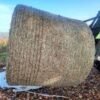

Crau Hay 3rd Cut for Sale – Premium Third-Cut Meadow Hay
Are you looking for distinctive Crau Hay – 3rd Cut for your livestock, farm, stable, or forage program? Liam’s Family Farms offers Crau Hay – 3rd Cut for customers researching quality meadow forage and comparing different hay cuttings for their animals.
Crau hay is a traditional meadow forage associated with the Crau plain in southern France. It is known for its diverse botanical composition and distinctive forage characteristics. Unlike pure alfalfa hay or timothy hay, traditional Crau hay comes from permanent meadows containing a variety of grasses, legumes, and other forage plants.
The third cutting has a particularly interesting place in the traditional Crau hay harvest. According to the Comité du Foin de Crau, the third cutting is the most legume-rich of the three annual hay cuts. It is traditionally used especially for dairy ewes and goats. This makes it an interesting option for buyers researching meadow forage, legume-rich hay, and different types of livestock feed.
Whether you are comparing first-cut, second-cut, and third-cut hay, researching forage for horses and goats, or looking for hay bales for your farm, understanding the characteristics of each cutting can help you make a more informed decision.
Explore CRAU HAY – 3RD CUT from Liams Family Farms and contact us if you need more information about current availability, bale sizes, packaging, nutritional analysis, or ordering arrangements.
Shop the product: Crau Hay – 3rd Cut at Liam’s Family Farms
Product Overview – Crau Hay 3rd Cut
| Product detail | Information |
|---|---|
| Product name | CRAU HAY – 3RD CUT |
| Product category | Hay Bales |
| Cutting | Third cut |
| Forage type | Meadow forage hay |
| Farm | Liams Family Farms |
| Product availability | Check the live product listing |
| Current price | See the product page |
| Bale weight | Contact us to confirm |
| Bale dimensions | Contact us to confirm |
| Packaging | Contact us to confirm |
| Nutritional analysis | Ask about available batch information |
| Bulk quantities | Contact us for current options |
| Delivery arrangements | Confirm with Liam’s Family Farms |
Please check the live product page for current prices and ordering options. Product weight, packaging, nutritional specifications, and delivery arrangements should be confirmed before purchasing.
What Is Crau Hay?
Crau hay, traditionally known as Foin de Crau, is a distinctive forage produced in the Crau plain in the Bouches-du-Rhône department of southern France.
The region’s traditional meadows are known for their diverse vegetation. The official French agricultural authority, INAO, describes authentic Foin de Crau as forage from permanent natural grasslands containing approximately 20 forage species.
These meadow plants include grasses and legumes, which contribute to the distinctive botanical character of the hay. The exact composition changes with the field, growing conditions, and cutting.
Authentic Foin de Crau has a Protected Designation of Origin, also known as AOP or PDO. The designation is linked to a defined geographical production area and specific production requirements. It is not simply a name that can be applied to any meadow hay.
The official INAO Foin de Crau information page explains the product’s origin and protected designation.
What Makes Crau Hay Different from Ordinary Meadow Hay?
Crau hay is traditionally produced from permanent meadows with a diverse botanical composition. This differs from hay made primarily from a single forage species, such as pure alfalfa or timothy.
Traditional Crau hay is also associated with a distinctive production system involving irrigation, multiple annual cuttings, field drying, and established harvesting practices.
For buyers, the important distinction is that Crau hay is a particular type of meadow forage, while alfalfa and timothy describe individual forage species.
Understanding Crau Hay – 3rd Cut
The third cutting is the final hay harvest in the traditional three-cut Crau production cycle.
The Comité du Foin de Crau explains that the third cut generally begins around the middle of August and continues into September. It represents approximately 20% of the annual hay production in the traditional system and is the cutting richest in legumes.
The committee also explains that this cutting is traditionally used especially for dairy ewes and goats in quality cheese-production systems.
This gives third-cut Crau hay a different botanical profile from the earlier cuttings.
Why Is Third-Cut Crau Hay Special?
The third cutting is particularly interesting because of its higher proportion of legumes in the traditional Crau meadow system.
Legumes are forage plants that can contribute protein and other nutrients to animal diets. However, the actual nutritional composition of any batch depends on the plants present, their maturity, the weather, the harvesting process, and storage.
The third-cut designation alone does not guarantee a particular protein level, energy value, calcium concentration, or digestibility.
If you are buying hay for animals with specific nutritional requirements, ask whether a laboratory forage analysis is available.
Traditional Third-Cut Characteristics
Traditional third-cut Crau hay is associated with:
- A relatively high proportion of legumes compared with the earlier Crau cuttings.
- A distinctive meadow-forage botanical composition.
- A later harvest in the traditional annual production cycle.
- Use in feeding programs for dairy sheep and goats.
- A forage profile that differs from first- and second-cut Crau hay.
These are characteristics of traditional Crau production, not guaranteed specifications for every product carrying a third-cut description. Confirm the origin and batch details of the hay you are purchasing.
First Cut vs. Second Cut vs. Third Cut Crau Hay
If you are comparing Crau hay products, it helps to understand the traditional differences between the three cuttings.
Crau Hay – 1st Cut
The first cutting is traditionally harvested in May. According to the Comité du Foin de Crau, it is the most abundant of the three cuttings and represents approximately half of the annual production.
It is described as longer hay and richer in grasses. Traditionally, it is used especially for horses and for finishing or fattening cattle.
Explore: Crau Hay – 1st Cut
Crau Hay – 2nd Cut
The second cutting traditionally takes place around late June and early July. It represents approximately 30% of annual production in the traditional system.
The Comité du Foin de Crau describes this cutting as balanced and identifies its traditional use for breeding horses, cows, and dairy ewes.
Explore: Crau Hay – 2nd Cut
Crau Hay – 3rd Cut
The third cutting traditionally takes place from around mid-August to mid-September. It represents approximately 20% of annual production and is the most legume-rich of the three cuttings.
It is traditionally used especially for dairy ewes and goats.
Explore: Crau Hay – 3rd Cut
Comparison Table
| Feature | 1st Cut | 2nd Cut | 3rd Cut |
|---|---|---|---|
| Traditional harvest period | May | Late June–early July | Mid-August–mid-September |
| Share of annual production | About 50% | About 30% | About 20% |
| Traditional botanical description | Longer, grass-rich | Balanced | Richest in legumes |
| Traditional feeding associations | Horses and cattle | Breeding horses, cows, dairy ewes | Dairy ewes and goats |
| Nutritional analysis | Batch-specific | Batch-specific | Batch-specific |
The traditional harvest descriptions are based on information from the Comité du Foin de Crau. Actual products may differ depending on their origin and production methods.
Crau Hay for Goats
Goat owners often compare different types of hay when planning a balanced feeding program. Forage quality, digestibility, fiber, protein, minerals, and the animal’s production stage all matter.
Traditional third-cut Crau hay is particularly associated with dairy goats because of its legume-rich botanical profile.
This makes the third cutting especially interesting for goat keepers who are researching forage options for dairy animals. However, the correct feeding choice depends on the goat’s nutritional needs and the composition of the actual hay.
Is Legume-Rich Hay Suitable for Goats?
Legume-rich forage can contribute protein and minerals to a goat’s diet. This may be useful in some feeding programs, particularly for animals with higher nutritional requirements.
However, more protein or calcium is not automatically better for every goat. Growing kids, mature goats, pregnant does, lactating does, and bucks may have different requirements.
A balanced ration should consider:
- Age and growth stage.
- Pregnancy or lactation.
- Body condition.
- Forage quality.
- Protein and energy requirements.
- Calcium and phosphorus balance.
- Mineral supplementation.
- Access to clean drinking water.
If you are comparing Crau hay with alfalfa hay for goats, ask for a forage analysis rather than assuming that both have the same nutrient profile.
Crau Hay for Sheep
Traditional third-cut Crau hay is particularly associated with dairy sheep.
The Comité du Foin de Crau explains that this cutting is rich in legumes and is traditionally used in dairy sheep systems. This makes it an interesting forage to study when comparing hay types for sheep and other small ruminants.
Sheep feeding requirements vary according to age, pregnancy, lactation, growth, and body condition.
When selecting hay for sheep, consider:
- The botanical composition.
- Protein and energy levels.
- Fiber and digestibility.
- Mineral balance.
- Moisture and storage condition.
- Whether the hay fits the rest of the feeding program.
Do not assume that every third-cut product has the same nutritional characteristics. Request batch-specific information where available.
Crau Hay for Horses
Horse owners need forage that fits the horse’s age, weight, workload, body condition, and health.
Traditional Crau hay is recognized in the horse-feeding market. However, the third cutting should not automatically be considered the best choice for every horse simply because it contains a higher proportion of legumes in the traditional Crau production system.
A horse’s feeding program should be based on its complete nutritional requirements.
Before choosing Crau Hay – 3rd Cut for a horse, consider:
- Whether the horse needs grass-based or more legume-rich forage.
- The horse’s body condition.
- Workload and activity level.
- Protein and energy requirements.
- Sugar and mineral considerations.
- The availability of a forage analysis.
- The hay’s smell, texture, moisture, and cleanliness.
Horses with metabolic conditions or special dietary requirements should have their forage selected with veterinary or equine nutritionist guidance.
For further guidance, consult the University of Minnesota Extension horse hay resources.
Crau Hay for Cows and Dairy Cattle
Cattle owners often compare meadow hay, grass hay, alfalfa hay, and other forage products according to the needs of their herds.
The traditional second cutting of Crau hay is associated with cows and dairy ewes, while third-cut Crau hay is particularly associated with dairy sheep and goats.
That does not mean third-cut hay is automatically unsuitable or suitable for every cow. The actual forage analysis and the cow’s nutritional requirements should guide the decision.
What Kind of Hay Is Best for Dairy Cows?
Dairy cows need a carefully balanced ration that supports milk production, rumen function, body condition, and overall health.
The most appropriate forage depends on:
- Milk production.
- Stage of lactation.
- Dry matter intake.
- Energy and protein requirements.
- Fiber and digestibility.
- Mineral balance.
- Other feeds in the ration.
Alfalfa hay can be useful in dairy rations because it is a legume forage. Grass hay and diverse meadow hay can also contribute valuable fiber.
Compare the available forage analyses and consult a dairy nutritionist when formulating a ration.
Crau Hay, Alfalfa Hay, and Timothy Hay: Understanding the Differences
Many buyers search for alfalfa hay for sale, timothy hay for horses, timothy hay for guinea pigs, and Crau hay because they want to compare different forage options.
These products are not identical.
Alfalfa Hay
Alfalfa is a legume forage commonly valued for its protein, calcium, and energy content compared with many grass hays.
It is used in different livestock feeding programs, including selected diets for cattle, goats, and horses. It can also be used for growing rabbits and certain young animals under appropriate feeding guidance.
Common searches include:
- Alfalfa hay for cows.
- Alfalfa hay for goats.
- Alfalfa hay for horses.
- Alfalfa hay for rabbits.
- Alfalfa hay for guinea pigs.
- Alfalfa hay for young bunnies.
- Alfalfa hay cubes for horses.
- Alfalfa hay prices per bale.
- Alfalfa hay for sale in Kansas.
- Alfalfa hay for sale Oklahoma.
Timothy Hay
Timothy is a grass hay widely used in horse and small-animal feeding programs.
It is commonly selected for its grass-based forage characteristics and fiber content.
Popular searches include:
- Timothy hay for guinea pigs.
- Timothy hay for rabbits.
- Timothy hay for young rabbits.
- Timothy hay 2nd cut.
- Timothy hay and orchard grass.
- Timothy hay rabbit.
- Timothy hay Oxbow.
- Affordable timothy hay delivery services near me.
Crau Hay
Crau hay is a traditional meadow forage associated with the Crau plain in southern France. Its botanical composition includes different forage species, including grasses and legumes.
The three cuttings have different traditional botanical profiles. Third-cut Crau hay is the most legume-rich of the three in the traditional production system.
Alfalfa vs. Hay: Is There a Difference?
Alfalfa is itself a type of hay when it has been harvested and dried for animal feeding. The word hay describes dried forage generally, while alfalfa identifies a specific legume species.
This is why searches for “alfalfa vs hay” can be confusing. A more accurate comparison is alfalfa hay versus grass hay or meadow hay.
Alfalfa Hay vs. Timothy Hay for Cattle
Alfalfa and timothy have different nutritional profiles.
Alfalfa is a legume and generally provides more protein and calcium than many grass hays. Timothy is a grass hay and has a different fiber, protein, and energy profile.
For cattle, the correct option depends on whether the animals are beef cattle, dairy cows, growing calves, or breeding stock.
A forage analysis helps compare:
- Crude protein.
- Dry matter.
- Neutral detergent fiber.
- Acid detergent fiber.
- Energy.
- Calcium.
- Phosphorus.
- Moisture.
Do not select a forage solely because it is advertised as premium or high protein. The best hay is the one that fits the animal’s complete ration.
Is Alfalfa Hay Good for Goats?
Alfalfa hay can be useful for goats because it is a legume forage with relatively high protein and calcium compared with many grass hays.
It may be appropriate for growing goats and certain pregnant or lactating animals when used as part of a balanced feeding program.
However, feeding requirements differ among goats. Excessive or inappropriate supplementation can create nutritional imbalances.
Is Alfalfa Hay Good for Rabbits?
Alfalfa hay is generally more appropriate for growing rabbits than for most healthy adult rabbits.
Adult rabbits commonly receive grass hay, such as timothy or orchard grass, as their main forage. Alfalfa is more energy- and calcium-rich, so it is not usually the preferred unlimited daily hay for adult rabbits.
Ask a rabbit-experienced veterinarian about the right diet for your rabbit’s age and health.
Alfalfa Hay for Guinea Pigs
Alfalfa hay is generally used more selectively for young, growing guinea pigs or animals with particular nutritional requirements.
Adult guinea pigs are usually fed grass hay as their primary forage. Timothy hay and other suitable grass hays are common choices.
If you are researching alfalfa hay for guinea pigs, ask a veterinarian about the appropriate feeding plan and calcium intake.
Alfalfa Hay for Horses and Alfalfa Hay Cubes
Alfalfa hay can be included in selected horse feeding programs, particularly where additional protein or energy is required.
Alfalfa hay cubes are another form of processed alfalfa forage. They should not automatically be considered nutritionally identical to long-stem hay without checking their product analysis.
When comparing alfalfa hay for horses, consider the horse’s body condition, workload, total ration, and nutritional requirements.
How to Identify High-Quality Hay Before Buying
Whether you are shopping for Crau hay, alfalfa hay, timothy hay, or other livestock forage, inspecting the product is essential.
1. Check the Appearance
Good hay should have an appearance appropriate to its forage type and harvest. Color can provide useful clues, but it does not prove nutritional quality on its own.
2. Check the Smell
Fresh, properly stored hay should have a natural forage smell. Avoid hay with a musty, moldy, or unpleasant odor.
3. Inspect the Texture
Consider the leaf-to-stem balance and the intended animal. A horse, dairy cow, goat, and rabbit may have different forage requirements.
4. Look for Dust and Mold
Avoid visibly moldy hay. Dusty forage can also be unsuitable for animals with respiratory sensitivities.
5. Check for Weeds and Foreign Materials
Inspect the hay for unwanted plants, dirt, stones, plastic, wire, or other materials.
6. Ask About Harvesting and Storage
Ask when the hay was harvested, how it was dried, and how it has been stored.
7. Request a Forage Analysis
A laboratory analysis can provide information about dry matter, moisture, protein, fiber, energy, and minerals.
This is especially important when purchasing hay for dairy animals, growing livestock, horses with special dietary needs, or large herds.
For more information, consult the University of Minnesota Extension guide to selecting and storing horse hay.
How to Store Hay Bales and Keep Them Fresh
Proper hay storage helps preserve forage quality and reduces the risk of mold and spoilage.
Whether you purchase third-cut Crau hay, alfalfa hay, timothy hay, or another forage product, use suitable storage practices.
Recommended Hay Storage Practices
- Store dry hay in a covered, well-ventilated area.
- Keep bales off the ground.
- Protect hay from rain and water runoff.
- Avoid damp floors and leaking roofs.
- Allow suitable air circulation around stored bales.
- Keep hay away from contamination and pests.
- Inspect bales regularly.
- Rotate inventory so older suitable stock is used first.
How to Store Alfalfa Hay Bales Long Term
Long-term storage requires special attention to moisture and ventilation.
Hay that is stored while too wet can heat, deteriorate, and develop mold. Damp storage conditions can also affect hay quality.
Keep the storage area dry and inspect the hay regularly. Never assume that a bale is safe to feed simply because the outside looks acceptable.
For horses in particular, avoid feeding visibly moldy or contaminated hay.
Buying Hay in Bulk: Small Bales, Large Bales, and Full Loads
Farmers, ranchers, horse owners, and livestock operators often need different quantities of hay.
Some customers prefer traditional small square bales because they are easier to handle manually. Larger operations may prefer large square bales or round bales when they have the equipment and storage space to manage them.
Clover Hill Farm’s hay page is a useful example of how a hay supplier can organize products by cutting, bale format, livestock use, and handling requirements. Its specific bale dimensions and delivery options apply to Clover Hill Farm only.
Before placing a large hay order with any supplier, confirm:
- The number of bales included.
- The weight of each bale.
- The total shipment weight.
- Bale dimensions.
- Whether the hay is dry or wrapped.
- Whether the packaging is suitable for your storage system.
- Whether transport is included.
- Whether unloading equipment is required.
- The delivery date and location.
- Any additional handling or freight costs.
Can I Buy Hay for a Small Farm Online?
Some hay suppliers offer smaller bundles, individual bales, and other manageable order quantities. Online purchasing can be convenient, but always check the actual product weight and shipping costs.
For a small farm, compare the total delivered cost rather than just the advertised price per bale.
Options for Hauling Large Quantities of Hay
Large hay orders may require a flatbed truck, suitable agricultural trailer, or specialist freight carrier.
Before arranging transport, check the total load weight, bale dimensions, access to the unloading area, and the equipment needed to move the hay safely.
Frequently Asked Questions About Crau Hay, Alfalfa Hay, and Timothy Hay
1. What is Crau Hay 3rd Cut?
Crau Hay 3rd Cut is the third harvest in the traditional Crau hay production cycle. Authentic Foin de Crau comes from permanent natural meadows in the Crau plain in southern France. The third cutting is traditionally the most legume-rich of the three cuts.
2. What makes third-cut Crau hay different from first- and second-cut hay?
Traditional third-cut Crau hay has a higher proportion of legumes than the earlier cuttings. The first cut is traditionally longer and richer in grasses, while the second cut is described as balanced. The three cuttings therefore have different botanical characteristics and traditional feeding uses.
3. Is third-cut Crau hay good for goats?
Traditional third-cut Crau hay is particularly associated with dairy goat feeding because of its legume-rich botanical profile. However, suitability depends on the animal’s nutritional needs and the actual forage analysis.
4. Is third-cut Crau hay suitable for sheep?
The traditional third cutting is especially associated with dairy sheep. Its legume-rich composition makes it an interesting forage in some dairy sheep feeding programs. A batch analysis should guide precise ration decisions.
5. Is Crau Hay 3rd Cut suitable for horses?
It may be considered as part of a horse’s forage program, but the correct hay depends on the horse’s body condition, workload, health, and nutritional needs. Ask for a forage analysis and consult an equine nutrition professional if your horse has special dietary requirements.
6. Is third-cut hay always better than first-cut hay?
No. The cutting number alone does not establish which hay is best. Different cuttings have different botanical characteristics, and the correct choice depends on the animal and the actual nutritional composition of the hay.
7. Can I get alfalfa hay delivered to my farm or ranch?
Many agricultural suppliers and hay producers offer delivery, but availability depends on the supplier, delivery area, quantity, and transport arrangements.
Ask whether delivery is available, what the minimum order is, how freight is calculated, and whether unloading equipment is required.
For Crau Hay – 3rd Cut from Liam’s Family Farms, contact the farm to confirm current delivery options.
8. What are the differences between various alfalfa hay brands?
Different alfalfa hay suppliers may offer different harvest maturities, bale weights, moisture levels, leaf-to-stem ratios, and nutritional profiles.
Compare the actual forage analysis rather than relying only on the brand name. Ask about harvest dates, storage, and whether the analysis applies to the current batch.
9. How can I identify high-grade alfalfa hay when shopping?
Look for clean hay with a fresh smell, appropriate color, a good leaf-to-stem balance, and minimal dust, mold, weeds, or foreign material.
Request laboratory analysis for protein, moisture, fiber, and minerals when possible.
10. What are the recommended storage solutions for keeping alfalfa hay fresh?
Store hay in a dry, covered, ventilated space. Keep bales off the ground, protect them from rain, and inspect them regularly for dampness, heating, and mold.
11. How should I store alfalfa hay bales long term?
Store properly cured hay in a dry building or suitable protected storage area. Keep bales away from ground moisture and allow ventilation. Check the hay regularly and do not feed moldy or spoiled forage.
12. Which companies deliver alfalfa hay locally?
Local hay farms, agricultural suppliers, livestock feed stores, forage wholesalers, and cooperatives may offer delivery.
Search for “alfalfa hay nearby,” “alfalfa hay suppliers near me,” and “hay for sale near me delivered.” Confirm that the supplier actually delivers to your address.
13. What are the best online stores to order alfalfa hay with delivery services?
Look for sellers that clearly identify the product, bale weight, quality information, shipping or delivery fees, and customer service arrangements.
Compare the total delivered cost and read independent reviews before ordering large quantities.
14. How much does premium alfalfa hay cost per bale on average?
There is no single reliable national price per bale. Prices depend on the region, cutting, bale weight, quality, season, and transport costs.
Ask suppliers for both the price per bale and the price per ton. This makes it easier to compare different bale sizes.
15. Which companies supply organic alfalfa hay in bulk?
Look for agricultural suppliers and hay producers who can provide valid organic certification documents for the actual product. Verify the certifier, scope, and current validity before relying on an organic claim.
16. Where can I find bulk alfalfa hay suppliers near me?
Check local hay farms, feed stores, agricultural cooperatives, and livestock wholesalers. Compare quality, bale weights, minimum orders, and delivery charges.
17. Where can I buy high-quality alfalfa hay near me?
Search for reputable forage producers, local hay farms, agricultural retailers, and livestock feed suppliers. Ask for current photographs, harvest information, bale weight, and nutritional analysis.
18. What are the top-rated brands of alfalfa hay for horses?
There is no universal brand ranking that applies to every horse. Look for transparent forage analysis, consistent product quality, appropriate packaging, and independent customer feedback.
19. Is alfalfa hay good for cows?
Alfalfa can be a useful legume forage in cattle feeding programs because it generally has more protein and calcium than many grass hays. Its suitability depends on the animal’s production stage and complete ration.
20. Is alfalfa hay good for goats?
Alfalfa can be useful for selected goats, particularly growing animals and some pregnant or lactating does. The correct quantity depends on nutritional requirements and the rest of the diet.
21. Is alfalfa hay good for rabbits?
Alfalfa is generally more appropriate for growing rabbits than most healthy adults. Adult rabbits commonly receive grass hay such as timothy or orchard grass as their main forage.
22. Is alfalfa hay good for guinea pigs?
Alfalfa is generally used selectively for young, growing guinea pigs or animals with particular nutritional needs. Adult guinea pigs usually need grass hay as their main forage.
23. What is the average cost of timothy hay per bale?
Prices depend on bale size, cutting, quality, location, packaging, and delivery. Compare prices by weight rather than comparing a small pet-store bag with a full farm bale.
24. Where can I find local suppliers of horse hay?
Look for hay farms, equestrian feed suppliers, agricultural cooperatives, and local forage producers. Ask about dust, mold, moisture, bale weight, cutting, and forage analysis.
25. Can I purchase hay bundles suitable for small farms from online retailers?
Some suppliers offer individual bales, smaller bundles, or compressed hay packages. Check the weight, minimum order, shipping charges, and intended animal use before purchasing.
26. Which companies offer organic hay for sale online?
Search for sellers that provide verifiable organic certification documents. Confirm that the certification covers the actual product being purchased.
27. Which companies offer financing or payment plans for large hay purchases?
Payment arrangements vary by supplier. Ask wholesalers and agricultural businesses about invoicing, business accounts, financing, or payment plans for bulk orders.
28. How much hay does one horse eat per month?
A common starting estimate for an average 1,000-pound adult horse is approximately 2% of body weight per day in total feed, although the amount of hay depends on pasture intake and the horse’s individual needs.
If a horse consumes 15–20 pounds of hay daily, that equals approximately 450–600 pounds over 30 days. Adjust the feeding plan according to body condition, activity, and veterinary or nutritionist guidance.
29. Where can I find hay for sale suitable for rabbits?
Look for clean, dry, appropriately packaged grass hay from reputable farm suppliers and small-animal forage retailers. Adult rabbits commonly receive timothy, orchard grass, or another suitable grass hay as their main forage.
30. How can I find contact information for local hay distributors?
Search for local hay farms, feed dealers, agricultural wholesalers, and livestock supply businesses. Use their official contact pages to confirm telephone numbers, email addresses, location, opening hours, and delivery coverage.
31. How do I find hay sellers that specialize in custom hay blends?
Contact forage producers, agricultural cooperatives, feed manufacturers, and livestock nutrition suppliers. Explain your animals’ needs and ask whether the supplier can prepare a documented blend with a nutritional analysis.
32. What are the options for hauling large quantities of hay?
Options include suitable farm trailers, flatbed trucks, agricultural transport businesses, and freight carriers. Confirm total weight, bale dimensions, loading arrangements, unloading equipment, and delivery access.
33. Where can I find hay certified pesticide-free?
Ask the producer for documentation of growing practices or relevant residue testing. Do not assume that a product is pesticide-free simply because it is natural, locally grown, or described as premium.
34. What should I check when inspecting a large hay delivery?
Check the number of bales, weight where available, packaging, smell, moisture, mold, visible contamination, and general condition. Compare the delivery with your order confirmation and document any damage or discrepancy.
35. Where can I find hay auctions or sales events nearby?
Check regional agricultural auction businesses, farm associations, livestock groups, and local agricultural event calendars. Confirm the date, location, inspection arrangements, payment conditions, and product details.
36. What kind of hay is best for dairy cows?
The correct forage depends on milk production, energy, protein, fiber, dry matter intake, and mineral requirements. A forage analysis and a balanced ration prepared with a dairy nutritionist provide a better basis for selection than the hay name alone.
37. Which brands provide dust-free hay options for animals with allergies?
Some suppliers offer hay marketed as low-dust, but do not assume any hay is completely dust-free without supporting information. Ask about handling, processing, packaging, and testing. Animals with respiratory conditions need veterinary guidance.
38. How can I identify good-quality horse hay?
Inspect the smell, appearance, texture, moisture, and cleanliness. Avoid moldy, dusty, or contaminated hay. Request a forage analysis when possible and choose according to the horse’s nutritional needs.
39. What are the best websites to order hay with fast shipping?
Choose suppliers that display clear stock information, delivery terms, bale weights, and customer support details. Confirm the expected shipping date directly because large hay orders may require freight arrangements.
40. What affects hay prices?
Hay prices are affected by harvest conditions, weather, seasonal demand, supply, cutting, forage type, bale weight, quality, storage, transport, and order quantity.
41. Where can I buy bulk hay for livestock at wholesale prices?
Contact hay farms, forage wholesalers, agricultural cooperatives, and livestock feed suppliers. Ask for quotes based on total tonnage, bale format, quality, and delivery destination.
42. What is the difference between first-cut and second-cut timothy hay?
The difference comes from harvest timing and regrowth. The actual texture and nutrient composition depend on plant maturity, weather, and harvesting practices. Do not assume that every second-cut product is automatically better than every first-cut product.
43. What are the nutritional benefits of timothy hay for rabbits?
Timothy hay provides fiber that supports normal digestive function and chewing behavior. It is commonly used as a main forage for adult rabbits.
44. How do I choose premium timothy hay for rabbits?
Look for clean, dry hay with a natural smell and no visible mold. Check the packaging, product condition, and supplier reputation. Introduce changes gradually and ensure the rabbit has continuous access to appropriate forage.
45. Can rabbits eat timothy hay and orchard grass?
Yes. Both are commonly used grass hays for rabbits. They provide forage and encourage normal chewing behavior. Choose clean, dry products appropriate for the rabbit’s age and health.
46. Is rabbit food without timothy hay suitable?
It can be suitable if the rabbit receives another appropriate grass hay, such as orchard grass. Timothy is not the only suitable forage. The important point is that rabbits receive adequate fiber from appropriate hay.
47. Where can I find hay for sale near me?
Try local hay farms, livestock feed stores, agricultural suppliers, farm marketplaces, and independent producers. Search for “hay for sale near me,” “hay for sale around me,” “hay for sale near my location,” or “hay for sale near me delivered.”
Always verify the seller’s actual location and delivery area.
48. Where can I find hay for sale on Craigslist or Facebook Marketplace?
You may find local hay advertisements on Craigslist, Facebook Marketplace, and regional agricultural groups. Check the seller’s identity, location, photographs, bale weights, condition, and payment arrangements before purchasing.
Do not rely on an advertisement alone to verify forage quality.
49. What is the current market rate for large round hay bales?
Prices vary according to bale weight, forage type, moisture, quality, region, and transportation. Compare prices by ton or by pound, not only by the number of bales.
50. Can I buy full-size hay bales and large hay bales online?
Some suppliers advertise large square or round bales, but shipping and unloading may require specialist equipment. Confirm the dimensions, weight, delivery arrangements, and storage requirements before ordering.
51. Are there affordable timothy hay delivery services near me?
Compare local feed stores, hay farms, small-animal suppliers, and online retailers. Check the total cost including packaging, freight, and delivery. A lower product price may not be the lowest delivered price.
52. What are the best places to buy high-quality timothy hay online?
Choose established suppliers with clear product descriptions, actual photographs, packaging details, customer feedback, and transparent shipping terms. Look for hay that is clean, dry, and appropriate for the intended animal.
53. Can I use timothy hay and alfalfa hay together?
They can both appear in an animal’s feeding program where appropriate, but the correct proportions depend on the animal’s nutritional needs. For rabbits, for example, adult animals commonly receive grass hay as their main forage, while alfalfa is used more selectively.
54. Is timothy hay suitable for young rabbits?
Young rabbits have different nutritional requirements from adult rabbits. Alfalfa is commonly used for growing rabbits, while grass hay can also be introduced as part of an appropriate feeding plan. Ask a rabbit-experienced veterinarian about the correct diet for the rabbit’s age.
55. What should I consider when comparing hay suppliers?
Compare the actual product, cutting, bale weight, forage analysis, storage condition, delivery charges, minimum order, and customer service. Ask for clear answers before making a large purchase.
Where to Find Hay for Sale in the United States
People searching for hay often use location-specific terms because they want to find suppliers close to their farms, ranches, stables, or homes.
Common searches include:
- Hay for sale in Kansas.
- Hay for sale in Oklahoma.
- Hay for sale in Pennsylvania.
- Hay for sale in North Dakota.
- Hay for sale in South Dakota.
- Hay for sale in Idaho.
- Hay for sale in Wyoming.
- Hay for sale in Texas.
- Hay for sale in Utah.
- Hay for sale in Nebraska.
- Hay for sale in Montana.
- Hay for sale in Ohio.
- Hay for sale in Colorado.
- Hay for sale in Kentucky.
- Hay for sale in Tennessee.
- Hay for sale in Georgia.
- Hay for sale in Arizona.
- Hay for sale in Oregon.
- Hay for sale in Michigan.
- Hay for sale in Maine.
- Hay for sale in Minnesota.
- Hay for sale in Wisconsin.
- Hay for sale in New Jersey.
- Hay for sale in New Hampshire.
- Hay for sale in Vermont.
- Hay for sale in Connecticut.
- Hay for sale in North Carolina.
- Hay for sale in Missouri.
- Hay for sale in Alaska.
Customers also search for hay in specific cities, including San Antonio, Ocala, Wichita, Phoenix, Tucson, Spokane, Albuquerque, Bakersfield, Lexington, Cortez, Farmington, Casper, Cheyenne, Colorado Springs, Fort Collins, Helena, Roswell, Rapid City, and Houston.
Search Terms for Local Hay Buyers
When looking for hay nearby, you may encounter searches such as:
- Hay for sale near me within 5 miles.
- Hay for sale near me within 20 miles.
- Hay for sale near me delivered.
- Hay for sale near me by owner.
- Hay for sale around me.
- Hay for sale near my location.
- Hay for sale on Craigslist.
- Hay for sale on Facebook.
- Hay for sale on Marketplace.
- Hay for sale at Tractor Supply.
- Hay for sale in Oklahoma Craigslist.
- Hay for sale near me Craigslist.
These are useful ways to search for local sellers, but listings should always be checked for authenticity, product condition, and current availability.
Why Buy Crau Hay – 3rd Cut from Liam’s Family Farms?
Choosing forage is an important decision for livestock owners, horse keepers, and farms. Buyers need clear product information and a straightforward way to ask questions before purchasing.
Liam’s Family Farms provides an online product listing where customers can review the available Crau Hay – 3rd Cut options.
Before placing an order, customers are encouraged to confirm:
- Current product availability.
- Price and quantity options.
- Bale weight and dimensions.
- Packaging and storage information.
- Nutritional analysis, if available.
- Bulk-order arrangements.
- Collection or delivery options.
Whether you are comparing meadow forage, researching different hay cuttings, or planning a larger farm purchase, we encourage you to review the product details and contact the farm with any questions.
Order Crau Hay – 3rd Cut Today
Looking for Crau Hay 3rd Cut for sale? Visit Liam’s Family Farms to explore the product listing and current ordering options.
You can also compare the other Crau hay products:
For product questions, bulk-order inquiries, or delivery information, visit the Liam’s Family Farms Contact Page.
Choose your forage according to your animals’ needs, review the available product information, and confirm important order details before purchasing.
| QUANTITY | 1 BALE, FULL LOAD |
|---|
Be the first to review “CRAU HAY – 3RD CUT”
Related products
Hay Bales
Hay Bales
Hay Bales
Hay Bales
Hay Bales
Hay Bales
Hay Bales
Reviews
There are no reviews yet.