
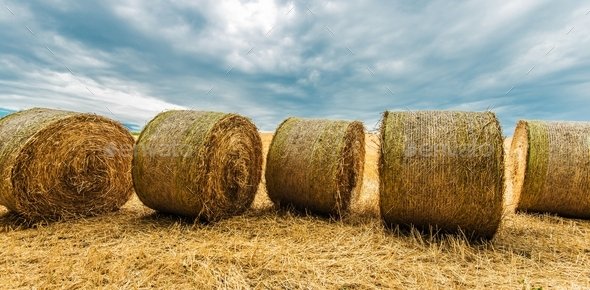

Crau Hay 2nd Cut for Sale | Quality Second-Cut Meadow Hay
Looking for quality Crau Hay – 2nd Cut for your horses, livestock, or farm? Liams Family Farms offers Crau Hay – 2nd Cut for buyers looking for distinctive meadow forage and convenient ordering options. Whether you are comparing different hay cuttings, researching livestock feed, or searching for hay bales for your farm, understanding the characteristics of second-cut hay can help you make a more informed buying decision.
Crau hay is traditionally associated with the Crau plain in southern France. Authentic Foin de Crau is recognized for its diverse meadow vegetation, aromatic character, and established place in animal feeding. The second cutting is particularly interesting because the balance of grasses and legumes can make it a versatile forage option, depending on the harvest, batch quality, and animal’s nutritional needs.
At Liams Family Farms, you can explore CRAU HAY – 2ND CUT and select from the available quantity options on this product page. The current online listing displays prices from $52.00 to $2,808.00, depending on the selected option. Contact us if you need help confirming the quantity, bale details, or arrangements for a larger order.
Explore the product: Crau Hay – 2nd Cut at Liam’s Family Farms
Product Details – Crau Hay 2nd Cut
| Product information | Details |
|---|---|
| Product name | CRAU HAY – 2ND CUT |
| Product category | Hay Bales |
| Cutting | Second cut |
| Product type | Meadow forage hay |
| Seller | Liam’s Family Farms |
| Listed price range | $52.00–$2,808.00 |
| Available quantity options | 1 Bale, Full Load (as displayed on the listing) |
| Bale weight | Contact us to confirm |
| Packaging | Contact us to confirm |
| Nutritional analysis | Ask about available batch information |
| Bulk orders | Contact us about quantity options |
| Delivery | Confirm availability and arrangements with the farm |
Prices and product options may change. Check the live product page for the current selection and checkout price. Bale weight, packaging, nutritional analysis, and delivery arrangements should be confirmed before ordering.
What Is Crau Hay?
Crau hay, traditionally called Foin de Crau, is a distinctive type of meadow forage associated with the Crau region of southern France. The official French agricultural authority, INAO, describes authentic Foin de Crau as forage from natural permanent grasslands containing approximately 20 different forage species.
This botanical diversity distinguishes traditional Crau hay from forage made exclusively from one plant species, such as pure alfalfa or timothy hay. The grasses, legumes, and other meadow plants contribute to the character of the forage.
Authentic Foin de Crau has a Protected Designation of Origin (PDO/AOP). This designation is connected to a defined production area and specific production requirements. Buyers should understand that a product must have the appropriate origin and supporting documentation before it can accurately be marketed as certified Foin de Crau AOP.
Learn more about the product’s traditional origin through the official INAO Foin de Crau information page.
Understanding Crau Hay – 2nd Cut
Second-cut hay is harvested after the first crop has been removed and the forage has regrown. The characteristics of the second cutting depend on the weather, regrowth period, maturity of the plants, field conditions, harvesting methods, and storage.
In traditional Foin de Crau production, the second cutting has a balance of grasses and legumes. The Comité du Foin de Crau identifies this balance as one reason second-cut Crau hay can also be suitable for horses.
The actual composition of any individual bale can vary. A second cutting is not automatically higher in protein, softer, more digestible, or more nutritious than every first cutting. The best way to evaluate a batch is to inspect the hay and request a laboratory forage analysis where available.
What Makes Second-Cut Hay Different?
Second-cut hay is often discussed in terms of its regrowth, leaf development, and balance of forage plants.
Depending on the growing and harvesting conditions, second-cut hay may have:
- A different leaf-to-stem ratio compared with first-cut hay.
- A different balance of grasses and legumes.
- A texture that may be softer or leafier than some earlier-cut forage.
- A different nutritional profile depending on maturity and growing conditions.
- A distinctive meadow-forage character when produced from diverse grasslands.
These are general characteristics, not guaranteed specifications for every bale. Always assess the actual hay rather than relying on the cutting number alone.
First Cut vs. Second Cut Hay: What Is the Difference?
One of the most common questions from people searching for hay for sale is the difference between first and second cutting hay.
First-cut hay is harvested from the first main growth of the season. Second-cut hay is harvested after the forage has regrown. Depending on the climate, plant maturity, and harvest timing, the two cuttings may have different textures and nutritional characteristics.
| Comparison | First-cut hay | Second-cut hay |
|---|---|---|
| Harvest timing | First main harvest | Harvest after regrowth |
| Plant maturity | Depends on the first harvest date | Depends on regrowth and harvest date |
| Texture | May be coarser or more stemmy | May be softer or leafier |
| Leaf-to-stem ratio | Varies by maturity | Varies by maturity |
| Botanical composition | Depends on the field | Depends on regrowth and field conditions |
| Nutritional value | Requires analysis | Requires analysis |
| Best use | Depends on animal and ration | Depends on animal and ration |
Is Second-Cut Hay Better Than First-Cut Hay?
Not necessarily. Neither cutting is automatically better for every animal. Some animals need forage with particular fiber, energy, protein, or mineral characteristics. The correct choice depends on the animal’s age, body condition, production stage, activity, and complete feeding program.
If you are comparing the two products, explore our Crau Hay – 1st Cut listing alongside this second-cut option.
Why Consider Crau Hay – 2nd Cut?
1. A distinctive meadow-forage option
Traditional Crau hay is associated with diverse permanent grasslands rather than a single forage species. This makes it an interesting option for buyers comparing meadow hay with alfalfa, timothy, and other grass hays.
2. A recognized forage tradition
Foin de Crau has a long-established reputation in animal feeding. Authentic AOP Foin de Crau is protected by a geographical designation, and its production is subject to defined requirements.
3. A second-cut option for forage planning
The second cutting provides another option for buyers who want to compare harvests and select forage according to their animals’ requirements.
4. Useful for comparing different hay types
Whether you are researching hay for horses, cattle, goats, or other livestock, understanding the differences between meadow hay, alfalfa hay, and timothy hay helps you make a more informed purchasing decision.
5. Online ordering through Liam’s Family Farms
You can view the available product options and current displayed prices directly on the product page. For questions about large orders, quantities, packaging, or delivery, contact Liam’s Family Farms before purchasing.
Crau Hay for Horses
Horse owners often look for hay that provides suitable fiber and fits the nutritional needs of their animals. Forage forms an important part of a horse’s feeding program, but the correct hay depends on the horse’s body condition, workload, age, health, and other feed sources.
Traditional Foin de Crau is recognized in the horse-feeding market. The Comité du Foin de Crau describes second-cut hay as having a balance of grasses and legumes that can also suit horses.
When evaluating Crau Hay – 2nd Cut for horses, consider:
- The appearance and smell of the hay.
- Whether the forage is dry and properly stored.
- The presence of dust, mold, weeds, or foreign material.
- The leaf-to-stem ratio.
- The horse’s energy and fiber requirements.
- Whether a nutritional analysis is available.
Do not assume that all second-cut hay has the same protein, sugar, energy, or mineral levels. A forage analysis is useful when you need to make a precise feeding decision.
If you are searching for hay for sale for horses, compare the available hay types and ask for the nutritional information needed to match the forage to your horse.
Crau Hay for Cows and Cattle
Cattle owners compare hay according to the needs of beef cattle, dairy cows, growing calves, and animals maintained for breeding.
The best hay for dairy cows is not necessarily the best hay for beef cattle. Dairy animals producing milk may have different energy, protein, mineral, and intake requirements from mature beef animals.
When comparing forage for cattle, consider:
- Protein and energy levels.
- Fiber and digestibility.
- Dry matter intake.
- Calcium and phosphorus.
- Stage of production.
- Whether the animal receives pasture, grain, or other supplements.
Crau Hay – 2nd Cut may be considered as a meadow-forage option when its actual nutritional characteristics fit the cattle’s feeding program. Request an analysis if you need to formulate a ration.
Crau Hay for Goats
Goats need suitable forage as part of a balanced diet. Their requirements vary with age, growth, pregnancy, lactation, and body condition.
If you are researching hay for goats or comparing alfalfa hay for goats with grass and meadow forage, remember that the correct choice depends on the complete diet.
Alfalfa is a legume hay that can provide more protein and calcium than many grass hays. It can be useful in certain goat-feeding programs, particularly when nutritional needs are higher. However, it should not automatically replace all other forage.
Crau meadow hay offers a different forage profile. Evaluate its quality, botanical composition, and nutritional analysis before making it part of your herd’s feeding plan.
Crau Hay for Rabbits and Small Animals
People searching for hay for rabbits, young bunnies, and other small animals often compare timothy hay, orchard grass, alfalfa hay, and specialty meadow forage.
Hay is an important part of the diet of many rabbits and guinea pigs. However, the appropriate type depends on the animal’s age and nutritional needs.
For adult rabbits, grass hays such as timothy and orchard grass are commonly used as the main forage. Alfalfa hay is generally more energy- and calcium-rich and is often used for growing rabbits under suitable feeding guidance.
Crau hay is also available in specialist small-animal forage markets, but do not assume that every bulk farm bale is packaged, processed, or tested for small-pet use. Check the product’s suitability, cleanliness, and intended use before feeding it to rabbits or guinea pigs.
For small animals, ask your veterinarian about the best forage for the animal’s age and health.
Alfalfa Hay vs. Timothy Hay vs. Crau Hay
Alfalfa hay, timothy hay, and Crau hay are different forage options. Understanding the differences can help you choose the right product for your livestock or pets.
Alfalfa Hay
Alfalfa is a legume forage. It is commonly valued for its protein, calcium, and energy content compared with many grass hays. It can be useful for animals with higher nutrient requirements, but the appropriate amount depends on the animal and the complete ration.
Common searches include:
- Alfalfa hay for cows.
- Alfalfa hay for goats.
- Alfalfa hay for horses.
- Alfalfa hay for rabbits.
- Alfalfa hay for guinea pigs.
- Alfalfa hay for young bunnies.
- Alfalfa hay cubes for horses.
- Alfalfa hay prices per bale.
Timothy Hay
Timothy is a grass hay commonly used for horses and small animals. It is often selected when buyers want a grass-based forage with a suitable fiber profile.
Searches such as timothy hay for guinea pigs, timothy hay for rabbits, timothy hay for young rabbits, timothy hay 2nd cut, and timothy hay and orchard grass are common among small-pet owners.
Crau Hay
Crau hay is traditionally a diverse meadow forage associated with the Crau region of France. Authentic Foin de Crau is known for its varied botanical composition and aromatic character.
The three products should not be treated as interchangeable. Choose according to the animal’s needs and the actual nutritional analysis.
How to Identify High-Quality Hay Before Buying
Whether you are shopping for alfalfa hay, timothy hay, or Crau hay, inspecting the forage is important.
Use these checks when buying hay:
1. Look at the color.
Color can provide clues about harvest and storage conditions, although color alone does not prove nutritional quality.
2. Check the smell.
Good hay should have a natural forage smell. Avoid hay with a strong musty, moldy, or unpleasant odor.
3. Inspect the texture.
Check whether the hay has an appropriate balance of leaves and stems for the intended animal.
4. Look for dust and mold.
Avoid feeding visibly moldy or contaminated hay. Dusty hay may be unsuitable for animals with respiratory sensitivities.
5. Check for weeds and foreign objects.
Look for unwanted plants, dirt, wire, plastic, and other materials that could affect animal safety.
6. Ask about harvest and storage.
Find out when the hay was cut, how it was cured, and how it was stored.
7. Request a forage analysis.
A laboratory analysis can help identify dry matter, moisture, protein, fiber, energy, and minerals. This is especially important for animals with specific dietary requirements.
For further guidance, see the University of New Hampshire Extension hay-quality resource and the University of Minnesota Extension guide to selecting and storing horse hay.
How to Store Hay Bales and Keep Hay Fresh
Proper storage helps protect hay from moisture, contamination, and avoidable spoilage.
Whether you buy Crau hay, alfalfa hay, timothy hay, or another livestock forage, follow these general storage practices:
- Store hay in a dry, covered area.
- Keep bales off the ground using suitable pallets or a raised storage surface.
- Allow air circulation around stored bales.
- Protect hay from rain, leaking roofs, and water runoff.
- Keep the storage area clean and protected from rodents and other pests.
- Avoid storing hay against damp walls.
- Rotate inventory and use older suitable stock first.
- Inspect bales regularly for moisture, heating, or mold.
Never feed hay that is visibly moldy or contaminated. Moldy hay can create serious health risks, especially for horses.
For additional information, read the University of Minnesota Extension hay storage guide.
Buying Hay in Bulk: Bales, Full Loads, and Delivery
If you are purchasing hay for a small farm, stable, ranch, or larger livestock operation, it is important to understand the available quantities and transport arrangements before placing an order.
Liam’s Family Farms currently displays quantity options on the Crau Hay – 2nd Cut product page, including 1 Bale and Full Load. Check the live product selector for the options and price applicable to your order.
Before purchasing a large quantity, confirm:
- The number of bales included in the selected option.
- The weight of each bale.
- The total order weight.
- The type of packaging.
- Whether the hay is dry and ready for storage.
- Whether collection or delivery is available.
- Any transport or handling charges.
- The expected delivery schedule.
- Whether the unloading equipment is your responsibility.
For larger orders, arranging transport in advance can help prevent delays. Buyers should also check that their storage space can accommodate the total quantity.
Frequently Asked Questions About Crau Hay, Alfalfa Hay, and Timothy Hay
1. Can I get alfalfa hay delivered to my farm or ranch?
Many hay suppliers offer delivery, but the service depends on the supplier, delivery area, order size, and transport arrangements. Contact the seller before ordering to confirm availability, delivery charges, minimum quantities, and unloading requirements.
For Crau Hay – 2nd Cut from Liam’s Family Farms, contact the farm to confirm current delivery arrangements. Do not assume that every location or order size is covered.
2. What are the differences between various alfalfa hay brands available?
Alfalfa hay brands and suppliers can differ in growing conditions, harvest maturity, leaf-to-stem ratio, moisture, bale size, storage, and nutritional composition. A brand name alone does not guarantee quality.
Compare the forage analysis, harvest information, bale condition, and supplier transparency before choosing.
3. How do I identify high-grade alfalfa hay when shopping?
Look for clean forage with a fresh smell, suitable color, a good leaf-to-stem balance, and minimal dust, mold, weeds, or foreign material. Ask for a laboratory analysis when possible. Protein, fiber, moisture, and mineral values are more useful than relying on appearance alone.
4. What are the recommended storage solutions for keeping alfalfa hay fresh?
Store dry hay in a covered, ventilated space. Keep bales off the ground, protect them from rain, and inspect them for moisture or mold. Keep the storage area clean and rotate stock to reduce unnecessary deterioration.
5. How should I store alfalfa hay bales long term?
Long-term storage requires dry hay, a dry storage surface, good ventilation, and protection from rain and ground moisture. Check the bales regularly. If a bale becomes damp, heats excessively, or develops mold, do not assume it is safe to feed.
6. Which companies deliver alfalfa hay locally?
Local agricultural suppliers, hay farms, feed stores, livestock cooperatives, and independent forage producers may offer delivery. Search for suppliers in your actual delivery area and compare minimum orders, transport fees, and bale weights.
Search terms such as “alfalfa hay nearby,” “hay for sale near me delivered,” and “bulk alfalfa hay suppliers near me” can help you find local options.
7. What are the best online stores to order alfalfa hay with delivery services?
The best supplier is one that clearly identifies the hay type, bale weight, product condition, nutritional information where available, shipping or delivery charges, and return or problem-resolution policy. Check independent customer feedback and contact the supplier before paying for a large order.
8. Is alfalfa hay better than timothy hay for cattle?
Neither is automatically better for every animal. Alfalfa is a legume hay that is often higher in protein and calcium than grass hay. Timothy is a grass hay with a different fiber and nutrient profile.
The correct choice for beef or dairy cattle depends on production stage, energy and protein requirements, forage availability, and the rest of the ration. A forage analysis helps make the comparison meaningful.
9. How much does premium alfalfa hay cost per bale on average?
There is no single reliable national price per bale. Prices depend on the region, bale weight, cutting, quality, season, transport, and supply. A small square bale and a large bale cannot be compared fairly without knowing their weights.
Ask suppliers for the price per bale and price per ton, then compare the actual quantity and quality.
10. Where can I find customer reviews for popular alfalfa hay products?
Check the product page, independent agricultural supplier reviews, local farming communities, and relevant livestock forums. Look for feedback about the actual hay, consistency between deliveries, packaging, transport, and customer service.
The Liam’s Family Farms Crau Hay – 2nd Cut page currently displays zero product reviews, so buyers should not interpret the listing as having an established customer-review history.
11. Which companies supply organic alfalfa hay in bulk?
Search for agricultural producers and feed suppliers that can provide current organic certification documentation. Ask whether the certification applies to the actual hay being sold, and verify the certifying organization and scope. Do not assume that hay is organic simply because it is naturally grown or locally produced.
12. Where can I find bulk alfalfa hay suppliers near me?
Search local hay farms, agricultural supply businesses, livestock feed dealers, and forage wholesalers. Compare price per ton, bale weight, delivery costs, storage condition, and available analysis.
13. What are the top-rated brands of alfalfa hay for horses?
There is no universal ranking that applies to every horse. Compare specific products using independent reviews, forage analysis, harvest information, and the horse’s nutritional needs. A well-tested local hay source may be more appropriate than a popular brand with unsuitable nutrient levels.
14. Is alfalfa hay good for goats?
Alfalfa can be useful in goat diets because it is a legume forage with relatively high protein and calcium compared with many grass hays. It may be appropriate for growing, pregnant, or lactating goats when included in a balanced feeding plan. The correct amount depends on the goat’s needs and the rest of its diet.
15. Is alfalfa hay good for rabbits?
Alfalfa hay is generally more appropriate for growing rabbits than as the main long-term hay for most healthy adult rabbits. Adult rabbits are commonly fed grass hay such as timothy or orchard grass. Ask a rabbit-experienced veterinarian about the correct diet for your animal.
16. Is alfalfa hay good for guinea pigs?
Alfalfa is generally used more selectively for young, growing guinea pigs or animals with particular nutritional needs. Adult guinea pigs are usually offered grass hay as their main forage. Consult a veterinarian about age-appropriate feeding and calcium intake.
17. What is the average cost of timothy hay per bale?
Timothy hay prices vary with bale size, quality, cutting, location, packaging, and delivery. Small pet-store packages are not directly comparable with farm bales. Compare prices by weight and check whether shipping is included.
18. How much premium alfalfa hay does a horse need?
The amount depends on body weight, workload, age, body condition, pasture intake, and the rest of the diet. Alfalfa is more nutrient-dense than many grass hays, so it should be introduced and measured as part of a balanced ration rather than fed according to a universal quantity.
19. Where can I buy high-quality alfalfa hay near me?
Try local hay farms, feed stores, agricultural cooperatives, livestock suppliers, and reputable online forage sellers that deliver to your location. Ask for the bale weight, cutting, harvest information, and nutritional analysis.
20. Can I purchase hay bundles suitable for small farms from online retailers?
Some suppliers sell small square bales, compressed packages, and other manageable quantities. Check the package weight, minimum order, shipping costs, and whether the product is appropriate for your animals. For farm quantities, compare the total delivered cost rather than the advertised price alone.
21. Where can I find local suppliers of horse hay?
Search for horse hay farms, equestrian feed stores, agricultural cooperatives, and local forage producers. Ask about grass and legume varieties, moisture, dust, mold, bale weight, and laboratory analysis.
22. Which companies offer organic hay for sale online?
Look for suppliers that provide verifiable organic certification for the product being sold. Check the certificate, certifying body, crop or product scope, and current validity before relying on an organic claim.
23. Which companies offer financing or payment plans for large hay purchases?
Payment plans are supplier-specific. Ask wholesalers and agricultural suppliers whether they offer invoicing, business accounts, financing, or payment arrangements for bulk orders. Review the terms and any fees before committing.
24. How much hay does one horse eat per month?
A common starting estimate for an average 1,000-pound adult horse is around 2% of body weight per day in total feed, with the forage portion calculated according to the horse’s needs. If a horse receives 15–20 pounds of hay daily, that equals approximately 450–600 pounds over 30 days.
Actual needs vary, and pasture or other forage sources must be included in the calculation. Use the horse’s weight, body condition, workload, and veterinary or nutritionist guidance when planning a monthly hay order.
See the University of Minnesota Extension guide to hay in horse diets.
25. What are the best websites to order hay with fast shipping?
Look for suppliers that display clear stock information, shipping or delivery terms, bale weights, order cutoffs, and customer support details. Confirm the delivery date directly before ordering because large hay shipments may require freight arrangements.
26. How do I verify the quality of hay before buying?
Request current photographs, inspect the actual bales where possible, ask about the harvest and storage conditions, and request a forage analysis. For large orders, agree on the product specifications and delivery expectations before payment.
27. What kind of hay is best for dairy cows?
The best hay for dairy cows depends on milk production, dry matter intake, energy, protein, fiber, mineral balance, and the other ingredients in the ration. A dairy nutritionist can use a forage analysis to determine how the hay fits into the complete feeding program.
28. How can I find hay sellers that specialize in custom hay blends?
Contact hay producers, forage specialists, agricultural cooperatives, and livestock nutrition suppliers. Explain the animal species, production stage, and nutritional requirements. Ask whether the seller can provide a documented blend and laboratory analysis.
29. What are the options for hauling large quantities of hay?
Options may include farm trailers, flatbed trucks, agricultural transport companies, and freight carriers experienced in bulk forage. Confirm total load weight, bale dimensions, stacking requirements, unloading equipment, and transport responsibility before scheduling a shipment.
30. How can I inspect a large hay delivery?
Check the number of bales, packaging, visible moisture, odor, mold, and foreign material. Compare the delivery against the order confirmation and photograph any damage or discrepancy before accepting the load. If a forage analysis was agreed upon, confirm that the documentation matches the delivered batch.
31. What is the difference between timothy hay 2nd cut and Crau Hay 2nd Cut?
They are not the same product. Timothy hay is harvested from timothy grass, while traditional Crau hay comes from diverse meadow vegetation. Both may have different characteristics between cuttings, but the botanical composition and actual forage analysis determine their nutritional value.
32. What are the nutritional benefits of timothy hay for rabbits?
Timothy hay provides fiber that supports normal digestive function and chewing behavior in rabbits. It is commonly used as a main forage for adult rabbits. The correct feeding plan should also include suitable fresh water, rabbit-safe vegetables, and an appropriate complete diet.
33. Can rabbits eat timothy hay and orchard grass?
Both are commonly used grass hays for rabbits. Offering suitable grass hay helps provide fiber and encourages natural chewing. Select clean, dry hay and introduce changes gradually.
34. Is rabbit food without timothy hay suitable?
It can be, depending on what replaces it. Timothy is not the only suitable grass hay. Orchard grass and other appropriate grass hays may be alternatives. The important point is that the rabbit receives suitable high-fiber forage every day.
35. Where can I find hay for sale near me?
Search local hay farms, agricultural suppliers, livestock feed stores, farm marketplaces, and independent producers. Search phrases such as “hay for sale near me,” “hay for sale around me,” “hay for sale near my location,” and “hay for sale near me delivered” can help identify sellers. Always confirm the seller’s actual location and delivery area.
36. Where can I buy bulk hay for livestock at wholesale prices?
Contact hay farms, forage wholesalers, livestock cooperatives, and agricultural suppliers. Ask for a quote based on total tonnage, bale size, quality, and delivery destination. A low price per bale does not necessarily mean a low cost per ton.
37. What affects hay prices?
Hay prices are affected by harvest conditions, weather, regional supply, forage type, cutting, quality, bale weight, storage, transportation, seasonal demand, and order quantity. Delivery and unloading can also add to the total cost.
38. Where can I find hay auctions or sales events nearby?
Check agricultural auction companies, farm associations, local livestock groups, community agricultural listings, and regional farm-sale calendars. Confirm the date, location, product description, inspection arrangements, and payment requirements before attending.
39. Which suppliers provide dust-free hay for animals with allergies?
Some suppliers market selected hay products for low dust, but no hay should be assumed completely dust-free without supporting information. Ask about harvesting, curing, handling, packaging, and any testing. Animals with respiratory conditions should receive veterinary guidance before a forage change.
40. Where can I find hay certified pesticide-free?
Ask the producer for documentation of the production practices and any relevant residue testing. “Pesticide-free” is a specific claim and should not be assumed without evidence. Organic certification and pesticide-residue testing are not interchangeable.
Buying Crau Hay – 2nd Cut from Liam’s Family Farms
If you are comparing hay suppliers, planning your next farm purchase, or looking for second-cut meadow forage, visit Liam’s Family Farms to view the available product options.
The current listing displays a price range of $52.00–$2,808.00. Use the product selector to review the available quantity options, and contact the farm if you need clarification about bale weight, total order quantity, packaging, or delivery.
Ready to order?
For questions about larger orders, contact Liam’s Family Farms:
- Email: Contact@LiamsFamilyFarms.com
- Phone: +1 (919) 279-3789
- Contact Liam’s Family Farms
You can also browse the Hay Bales category to compare other forage products, including first-cut Crau hay, third-cut Crau hay, alfalfa hay, and meadow hay.
Choose your hay according to the needs of your animals, inspect the product information carefully, and ask questions before placing a large order.
| QUANTITY | 1 BALE, FULL LOAD |
|---|
Be the first to review “CRAU HAY – 2ND CUT”
Related products
Hay Bales
Hay Bales
Hay Bales
Hay Bales
Hay Bales
Hay Bales
Hay Bales
Reviews
There are no reviews yet.