
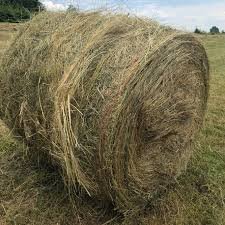
ALFALFA HAY
$56.00 – $3,024.00Price range: $56.00 through $3,024.00
Alfalfa farming is the archetype of the “ecological pause” promoted by the Grenelle Environmental Forum for its ability to improve the soil (large and deep root mass, making it resistant to drought) and its contribution to organic matter.
Alfalfa Hay for Sale – Quality Alfalfa Hay for Livestock, Horses, and Small Animals
Looking for quality alfalfa hay for sale to help meet your animals’ nutritional needs? Liams Family Farms offers alfalfa hay for customers looking for a dependable forage option for their farms, ranches, livestock, and suitable small animals.
Alfalfa hay is a popular legume forage valued for its protein, calcium, energy, and palatability. It is used in different feeding programs for cattle, goats, horses, and other livestock. It can also be appropriate for certain young or growing small animals when their nutritional requirements call for it.
Whether you are searching for alfalfa hay nearby, comparing alfalfa hay prices per bale, or looking for bulk hay for livestock, choosing the right forage involves more than finding the lowest price. You should consider the hay’s maturity, leaf content, smell, color, storage condition, bale size, and nutritional suitability for the animals you feed.
At Liams Family Farms, we understand that choosing hay is an important part of managing a farm or caring for animals. Contact us to ask about our current alfalfa hay availability, bale options, pricing, and purchasing arrangements.
Alfalfa Hay at Liams Family Farms
Alfalfa hay is a valuable forage option for livestock owners who need a legume hay with a different nutritional profile from common grass hays such as timothy and orchard grass.
It is particularly known for its relatively high protein and calcium content. Its actual nutritional value, however, depends on the variety, growing conditions, stage of maturity at harvest, curing process, leaf retention, and storage conditions.
Alfalfa Hay Product Information
| Product detail | Information |
|---|---|
| Product | Alfalfa Hay |
| Product category | Livestock and animal feed |
| Forage type | Alfalfa (legume hay) |
| Seller | Liams Family Farms |
| Bale size | Contact us to confirm |
| Bale weight | Contact us to confirm |
| Cutting | Contact us to confirm |
| Price per bale | Contact us for current pricing |
| Bulk orders | Ask about current availability |
| Delivery | Contact us to confirm available arrangements |
| Availability | Available Now |
Looking for alfalfa hay for sale? Contact Liams Family Farms to ask about current stock, bale sizes, pricing, and order quantities.
What Is Alfalfa Hay?
Alfalfa hay is made from the alfalfa plant, scientifically known as Medicago sativa. It is a legume rather than a grass, which gives it a different nutritional profile from grass hays such as timothy, orchard grass, and meadow hay.
Alfalfa is commonly used in livestock feeding because it can provide:
- Protein: Alfalfa is generally higher in crude protein than many grass hays.
- Calcium: It is a naturally calcium-rich forage.
- Energy: Its nutrient profile can make it useful in diets for animals with higher energy requirements.
- Fiber: Like other types of hay, it provides forage fiber.
- Palatability: Many livestock animals readily consume good-quality alfalfa hay.
These characteristics make alfalfa a useful ingredient in carefully balanced feeding programs. However, higher nutrient content does not automatically mean it is the best hay for every animal. The appropriate forage depends on the animal’s age, health, production stage, body condition, and total diet.
Why Choose Alfalfa Hay?
When comparing alfalfa hay for sale, buyers should consider the purpose for which they intend to use it.
Some livestock require more protein and energy than others. Growing animals, lactating animals, and animals with higher nutritional demands may benefit from a ration that includes alfalfa.
For other animals, particularly those that need a lower-calcium, lower-energy maintenance diet, grass hay may be more appropriate.
1. A useful forage for livestock feeding programs
Alfalfa hay can be incorporated into feeding programs for cattle, goats, and other livestock. Its nutrient content makes it useful when the forage component of an animal’s diet needs additional protein or calcium.
2. A source of protein and calcium
Alfalfa is a legume forage that generally contains more protein and calcium than common grass hays. The exact values vary with harvest maturity and growing conditions.
For customers purchasing hay in larger quantities, a forage analysis can help determine whether the product matches the animals’ nutritional requirements.
3. A forage option for different farm animals
Alfalfa hay is used in different ways for cattle, goats, and horses. It may also be appropriate for young rabbits and young or pregnant guinea pigs, depending on their nutritional requirements.
It is important to select the correct hay for each animal instead of assuming that one forage is suitable for every species and age group.
Alfalfa Hay for Cows and Cattle
Alfalfa hay for cows can be a useful source of forage protein and energy, particularly when incorporated into a balanced ration for animals with higher nutritional requirements.
Dairy cows, growing cattle, beef cattle, and mature maintenance cattle do not necessarily have the same nutritional needs.
For example, a lactating dairy cow generally has different energy and protein requirements from a mature beef cow that is maintaining body condition. The amount of alfalfa included in a ration should therefore depend on the animal’s production stage, forage quality, and the rest of its feed program.
When buying alfalfa hay for cattle, consider:
- The stage of maturity when the alfalfa was harvested.
- Leaf-to-stem ratio.
- Crude protein and fiber levels.
- Moisture and storage condition.
- Whether a forage analysis is available.
- How the hay will fit into the existing cattle ration.
A forage test can help cattle owners and nutritionists determine whether alfalfa hay provides the nutrients needed by their herd.
Alfalfa Hay for Goats
Alfalfa hay for goats is often considered because it supplies protein and calcium. It may be useful for growing kids, pregnant does, and lactating goats when their nutritional requirements justify a richer forage.
However, not every goat needs a diet based entirely on alfalfa.
The amount and type of hay should be selected according to age, sex, body condition, reproductive status, and the rest of the diet. Calcium and phosphorus balance is especially important in goat nutrition.
If you are wondering, is alfalfa hay good for goats? The answer is that it can be suitable and useful, but it should be fed as part of a balanced ration rather than automatically used as the only forage.
Alfalfa Hay for Horses
Alfalfa hay for horses is commonly used as a source of additional protein, energy, and calcium.
It may be useful in feeding programs for growing horses, lactating mares, and horses with increased nutritional requirements. However, the higher nutrient density of alfalfa means it may provide more protein and energy than some mature horses need.
Horse owners should consider:
- The horse’s age and body condition.
- Exercise and workload.
- Weight-management needs.
- Existing grain and concentrate intake.
- Forage analysis.
- Calcium and phosphorus balance.
- Any veterinary or nutritional restrictions.
Alfalfa hay should be clean, properly cured, and free from visible mold or contamination. Horses with respiratory sensitivities need particular attention to hay dust and feed hygiene.
Alfalfa hay cubes for horses
Alfalfa hay is also sold in compressed forms such as cubes. Alfalfa hay cubes for horses can provide a convenient way to offer forage, depending on the horse’s feeding program and the product’s instructions.
Hay cubes are not identical to loose long-stem hay in every feeding situation. Follow the manufacturer’s feeding directions, consider whether soaking is necessary, and discuss the appropriate amount with an equine nutrition professional.
Alfalfa Hay for Rabbits and Young Bunnies
Alfalfa hay for rabbits requires particular attention to age.
Young, growing bunnies generally have higher protein, energy, and calcium requirements than adult rabbits. Alfalfa hay may be suitable for young bunnies during their growth period.
However, adult rabbits should generally receive grass hay, such as timothy or orchard grass, as their main forage. Alfalfa is richer in protein and calcium and is not generally recommended as the everyday main hay for healthy adult rabbits.
If you are buying alfalfa hay for young bunnies, consider their age, growth stage, and overall diet. Ask a rabbit-savvy veterinarian about the appropriate time to transition from alfalfa to grass hay.
Alfalfa Hay for Guinea Pigs
Alfalfa hay for guinea pigs is not a universal everyday feeding recommendation.
Young, growing guinea pigs and pregnant or nursing guinea pigs may benefit from the additional protein and calcium in alfalfa when recommended as part of their diet.
For most healthy adult guinea pigs, grass hay such as timothy or orchard grass is more appropriate as the primary hay. Feeding too much alfalfa to adult guinea pigs may contribute to excessive calcium intake and urinary problems.
Guinea pigs also require an appropriate source of vitamin C. Alfalfa hay does not replace a complete guinea pig nutrition plan.
Alfalfa Hay for Chickens
Alfalfa is not a complete feed for chickens and should not replace a balanced poultry ration.
Small quantities of suitable alfalfa products may sometimes be used as supplemental forage or enrichment, but chickens require a diet formulated for their age and production stage.
If you are considering alfalfa hay for chickens, ask a poultry nutrition professional whether the product and amount are appropriate.
How to Identify High-Quality Alfalfa Hay
One of the most important questions buyers ask is: How to identify high-grade alfalfa hay when shopping?
Good hay should be evaluated through a combination of visual inspection, smell, touch, storage history, and, where possible, laboratory analysis.
1. Look at the color
Good-quality alfalfa hay commonly has a green to leafy green appearance. Color alone does not prove nutritional quality, but excessive browning, dark discoloration, or evidence of water damage can be warning signs.
Some yellowing on exposed surfaces can result from sun bleaching. Inspect the inside of the bale rather than judging only its exterior.
2. Check the leaves
Leaves are an important part of alfalfa hay because they generally contain a greater concentration of nutrients than stems.
Look for hay with good leaf retention and a favorable leaf-to-stem ratio. Excessively stemmy hay may indicate more mature forage or leaf loss during harvesting and handling.
3. Inspect the stems
Stems should be appropriate for the maturity and intended use of the forage. Very coarse, woody stems may indicate more mature hay with greater fiber content and lower digestibility.
4. Check the smell
Fresh, properly cured hay should have a clean, pleasant forage smell.
Avoid hay with a musty, sour, rotten, or unusual odor. These smells may indicate poor curing, moisture damage, or spoilage.
5. Look for dust and mold
Inspect bales for excessive dust, visible mold, damp sections, or foreign materials.
Do not feed visibly moldy hay. Moldy forage can affect animal health, and dusty hay can be particularly problematic for animals with respiratory sensitivities.
6. Ask for a forage analysis
A laboratory forage analysis can provide information that visual inspection cannot reliably establish.
Depending on the laboratory, a hay analysis may include:
- Dry matter and moisture.
- Crude protein.
- Acid detergent fiber (ADF).
- Neutral detergent fiber (NDF).
- Relative feed value or related forage-quality indicators.
- Calcium and phosphorus.
- Other minerals and nutrients.
If you are purchasing bulk alfalfa hay for livestock, a forage analysis is especially useful because it helps you compare products on nutritional value rather than appearance alone.
What Are the Differences Between First, Second, and Third Cutting Alfalfa Hay?
Alfalfa hay may be harvested several times during a growing season. These harvests are commonly described as first cutting, second cutting, and third cutting.
The cutting number tells you when the forage was harvested during the growing season. It does not automatically establish that one cutting is better than another.
First cutting alfalfa hay
First cutting is generally the first harvest of the season. Its characteristics can vary depending on weather, maturity at harvest, weed content, and harvesting conditions.
It may contain coarser stems if the plants are more mature when harvested. However, well-managed first cutting can still produce good-quality hay.
Second cutting alfalfa hay
Second cutting is harvested after the first crop has regrown. Depending on growing conditions and harvest timing, it may have a different leaf-to-stem ratio and texture.
Buyers often compare second cutting when looking for leafy forage, but the cutting label alone does not prove superior quality.
Third cutting alfalfa hay
Third cutting is harvested later in the growing season where conditions allow additional regrowth.
Its quality depends on maturity, weather, drying conditions, and handling. Later cuttings can be leafy, but they still need to be inspected for proper curing and storage.
Which cutting is best?
The best cutting depends on the intended animal and the actual forage quality.
When comparing first, second, and third cutting hay, prioritize a forage analysis, leaf retention, maturity, cleanliness, smell, and storage condition rather than choosing solely by the cutting number.
Alfalfa Hay vs. Timothy Hay: Which Is Better?
A common buyer question is: Alfalfa hay vs. timothy hay for cattle and other animals—which should I choose?
Alfalfa and timothy are different forage types with different nutritional characteristics.
| Feature | Alfalfa hay | Timothy hay |
|---|---|---|
| Plant type | Legume | Grass |
| Protein | Generally higher | Generally lower |
| Calcium | Generally higher | Generally lower |
| Energy | Often higher | Often lower |
| Typical use | Higher nutrient-demand feeding programs | General grass-forage feeding programs |
| Common buyers | Livestock and selected growing animals | Horses and small herbivores, depending on species |
| Feeding considerations | Needs ration balancing | Also needs to match the animal’s nutritional requirements |
Alfalfa vs. hay: understanding the difference
The phrase “alfalfa vs. hay” can be confusing because alfalfa itself is a type of hay.
The more useful comparison is alfalfa hay versus grass hay. Alfalfa is a legume, while timothy and orchard grass are grasses.
Which is better for cattle?
Both can be used in cattle feeding programs. The right choice depends on the animal’s nutritional needs, the quality of the forage, and the other ingredients in the ration.
Alfalfa can provide additional protein and calcium. Grass hay may be suitable where a lower-protein forage is needed.
Which is better for horses?
Alfalfa can be useful for horses with increased protein and energy requirements. Timothy may be a more appropriate everyday forage for some horses that need a lower-energy diet.
A horse’s condition, activity level, and total ration should determine the choice.
Which is better for rabbits?
Young growing rabbits may benefit from alfalfa. Healthy adult rabbits generally need grass hay as their main forage, with timothy being a common option.
Which is better for guinea pigs?
Alfalfa may be appropriate for young, growing, pregnant, or nursing guinea pigs under suitable feeding guidance. Adult guinea pigs generally do better with grass hay such as timothy or orchard grass.
How Much Does Premium Alfalfa Hay Cost Per Bale?
One of the most common purchasing questions is: How much does premium alfalfa hay cost per bale on average?
There is no single reliable nationwide price because hay prices change by region, season, availability, bale size, bale weight, cutting, forage quality, and transportation costs.
A small square bale and a large bale can have very different prices because they contain different amounts of hay. A price-per-bale comparison is therefore not always a fair comparison.
When comparing alfalfa hay prices per bale, ask:
- How much does each bale weigh?
- What is the price per pound or ton?
- Is it first, second, or third cutting?
- Is the hay pure alfalfa or a grass-alfalfa mixture?
- Is a forage analysis available?
- Is the hay stored indoors or outdoors?
- Is delivery included in the price?
- Are there minimum order quantities?
What factors affect alfalfa hay prices?
Several factors influence the cost of alfalfa hay:
- Bale size and weight: Larger bales contain more forage and usually have a higher total price.
- Harvest season: Weather and crop availability affect supply.
- Cutting and maturity: Nutritional quality and leaf retention can influence value.
- Regional supply: Prices vary between states and agricultural regions.
- Storage: Proper storage helps preserve the quality of the forage.
- Transportation: Distance, fuel, loading, and unloading can add to the final cost.
- Order quantity: Bulk purchases may have different pricing from individual bales.
What is the average cost of timothy hay per bale?
Timothy hay prices also vary according to bale size, quality, location, and season. Small pet-store packages, small square farm bales, and larger commercial quantities should not be compared as though they are the same product.
For a fair price comparison, compare cost per pound or ton and check the quality and intended use.
How much does premium alfalfa hay typically cost?
The best way to determine the current price is to compare local suppliers and ask for a quote based on the actual bale weight and quantity you need.
Contact Liam’s Family Farms for current alfalfa hay pricing and available order options.
Buying Alfalfa Hay in Bulk
Farmers, ranchers, livestock owners, and animal-care businesses may need more than a few bales at a time.
Bulk alfalfa hay purchases can help buyers plan their forage supply, but it is important to confirm quality, quantity, and storage capacity before ordering.
When looking for bulk alfalfa hay suppliers near me, compare:
- Available tonnage.
- Bale dimensions and weight.
- Cutting and harvest information.
- Forage analysis.
- Delivery or collection arrangements.
- Loading and unloading requirements.
- Payment terms.
- Storage conditions.
Where can I buy bulk hay for livestock at wholesale prices?
You can investigate local hay producers, agricultural cooperatives, feed stores, livestock supply companies, hay auctions, and farms selling directly to consumers.
Request a written quote and clarify whether the price is per bale, per ton, or per load. Ask about minimum quantities and whether the quoted amount includes transportation.
Which companies supply organic alfalfa hay in bulk?
If you specifically require certified organic alfalfa hay, ask the supplier for current certification details and documentation. Do not assume that hay is organic simply because it is locally grown or described as natural.
Confirm that the certification applies to the product and producer you are purchasing from.
Can I purchase hay bundles suitable for small farms from online retailers?
Some farm and livestock suppliers list small square bales, compressed hay, and smaller bundles online. Check the package weight, forage type, delivery cost, and seller’s shipping area before ordering.
For a small farm, smaller bales may be easier to handle manually than large square or round bales.
Can I Get Alfalfa Hay Delivered to My Farm or Ranch?
Delivery is an important consideration when purchasing hay, especially for customers ordering multiple bales or large quantities.
Whether alfalfa hay can be delivered depends on the supplier’s location, delivery equipment, order size, distance, and transportation arrangements.
If you are asking, Can I get alfalfa hay delivered to my farm or ranch?, contact Liam’s Family Farms to confirm whether delivery is available for your location and order size.
Before arranging delivery, ask:
- Is delivery available to my address?
- What is the minimum order?
- Is the delivery fee charged separately?
- Does the delivery vehicle require special access?
- Can the driver unload the hay?
- Is a forklift or tractor required?
- Can the hay be delivered directly to a barn or storage area?
- What happens if the delivery vehicle cannot access the property?
Companies that deliver alfalfa hay locally
Local hay farms, agricultural feed suppliers, livestock distributors, and some farm stores may offer delivery.
When searching for companies that deliver alfalfa hay locally, compare the delivered price rather than the advertised bale price alone.
Best online stores to order alfalfa hay with delivery services
Online farm-supply stores, livestock feed retailers, and regional hay producers may list alfalfa hay for delivery. However, shipping options vary considerably.
Before ordering online, confirm:
- The exact hay type.
- Package or bale weight.
- Number of bales.
- Shipping or freight charge.
- Delivery time.
- Return or complaint process.
- Whether the product is intended for livestock or small pets.
Large farm bales are often more practical to purchase directly from regional producers because freight can make long-distance shipping expensive.
How to Store Alfalfa Hay Bales Long Term
Proper hay storage is essential for maintaining forage quality.
Alfalfa hay should be protected from rain, ground moisture, excessive humidity, and contamination. Poor storage can lead to mold, nutrient loss, spoilage, and waste.
Recommended storage solutions
1. Store hay in a dry barn or hay shed
Indoor storage is generally preferable because it protects bales from direct rainfall and reduces exposure to moisture.
2. Keep bales off the ground
Use a suitable raised platform, pallets, or a well-drained storage surface. Direct contact with damp ground can allow moisture to move into the bottom of bales.
3. Maintain ventilation
Good airflow helps reduce moisture accumulation. Avoid creating storage conditions that trap damp air around the hay.
4. Protect outdoor hay
If hay must be stored outdoors, use appropriate covers or storage systems and keep the bales on a well-drained surface. Do not allow the bottom of the bale to sit directly in mud or standing water.
5. Inspect hay regularly
Check for dampness, mold, unusual odors, discoloration, and signs of pests.
6. Use older hay first when appropriate
Organize storage so that older, properly stored hay is used before newer deliveries, while continuing to inspect each bale before feeding.
Important hay storage safety
Hay baled too wet can heat internally, develop mold, lose nutrients, and create a fire hazard. Follow safe moisture and storage recommendations from agricultural extension services. Never assume that a tightly packed bale is safe simply because its outside feels dry.
How to Inspect a Large Hay Delivery Before Buying
If you are ordering a truckload or bulk quantity, inspect the delivery before accepting it whenever possible.
A practical inspection should include:
- Check that the number of bales matches the order.
- Confirm bale dimensions and weights where specified.
- Inspect the outside of the load for signs of rain damage.
- Open representative bales to inspect the inside.
- Look for mold, excessive dust, and unusual discoloration.
- Check for musty or sour smells.
- Look for weeds, foreign objects, or contamination.
- Confirm that the cutting and forage type match the order.
- Request the forage analysis if one was promised.
- Document any problems and contact the supplier promptly.
For large purchases, agreeing on inspection procedures before delivery can help avoid misunderstandings.
Where Can I Buy High-Quality Alfalfa Hay Near Me?
If you search for alfalfa hay nearby, alfalfa hay near me, or where can I buy alfalfa hay, consider several types of suppliers.
Local hay producers
Buying directly from a farmer may allow you to ask about harvest timing, cutting, storage, bale size, and availability.
Feed and farm-supply stores
Farm stores and feed suppliers may stock small quantities or arrange special orders.
Agricultural cooperatives
Cooperatives may connect buyers with regional forage producers and bulk suppliers.
Online hay marketplaces
Online listings can help you discover hay sellers, but verify the seller’s location, product description, bale weight, and delivery terms before paying.
Hay auctions and farm sales
Local agricultural auctions and seasonal hay sales may provide opportunities to compare available forage and pricing.
Where to Find Customer Reviews for Popular Alfalfa Hay Products
Customer reviews can help buyers understand a supplier’s communication, order handling, packaging, and delivery experience.
Useful places to investigate include:
- The seller’s own product pages.
- Google Business reviews.
- Agricultural supply store websites.
- Online livestock and farm marketplaces.
- Local farming communities and agricultural groups.
- Independent equine and livestock forums.
Remember that customer reviews are not a substitute for inspecting hay quality. A product may receive positive reviews for delivery or service without having a forage analysis that matches your animals’ needs.
When researching alfalfa hay brands, compare the actual product specifications rather than relying only on brand recognition.
Frequently Asked Questions About Alfalfa Hay
Can I get alfalfa hay delivered to my farm or ranch?
Delivery depends on the supplier’s location, order size, vehicle access, and delivery service area. Contact Liam’s Family Farms to ask whether delivery is available for your location and quantity. Always confirm delivery charges and unloading arrangements before ordering.
What are the differences between various alfalfa hay brands available?
Different suppliers and brands may vary in alfalfa variety, harvest maturity, cutting, leaf retention, bale size, packaging, moisture, and forage analysis. Compare the actual product specifications and not just the brand name.
How do I identify high-grade alfalfa hay when shopping?
Look for clean, leafy forage with a pleasant smell, appropriate color, minimal dust, and no visible mold or foreign materials. Ask for a laboratory forage analysis when available. Green color alone does not guarantee nutritional quality.
What are the recommended storage solutions for keeping alfalfa hay fresh?
Store dry hay in a clean, dry, well-ventilated barn or hay shed. Keep bales off damp ground, protect them from rain, and inspect them regularly for moisture, mold, and unusual odors.
How do I store alfalfa hay bales long term?
Use a dry, well-drained storage area with adequate ventilation. Keep bales away from standing water and direct ground moisture. Protect outdoor stacks from rainfall and inspect them frequently. Follow agricultural fire-safety guidance for stored hay.
Which companies deliver alfalfa hay locally?
Local hay producers, feed stores, agricultural suppliers, and regional livestock distributors may offer delivery. Availability depends on your location and order size. Ask suppliers for a delivered quotation that includes freight and unloading fees.
What are the best online stores to order alfalfa hay with delivery services?
The best option depends on your location, the quantity required, and whether you need livestock bales or small packaged hay. Compare established farm-supply retailers and regional hay producers, and verify shipping terms, package weight, and product suitability before ordering.
Which companies supply organic alfalfa hay in bulk?
Search for certified organic hay producers and agricultural suppliers that can provide current certification documents. Confirm that the certification applies to the specific hay being sold and ask for the available quantity and delivery arrangements.
Where can I find bulk alfalfa hay suppliers near me?
Check local hay farms, agricultural cooperatives, livestock feed suppliers, farm auctions, and regional agricultural marketplaces. Compare bale weight, price per ton, forage quality, and delivery costs.
How much does premium alfalfa hay cost per bale on average?
Prices vary by region, season, cutting, bale weight, quality, and transportation. Compare the price per pound or ton rather than looking at the bale price alone. Contact Liam’s Family Farms for current pricing.
What are the top-rated brands of alfalfa hay for horses?
There is no single brand that is best for every horse. Look for reputable suppliers who disclose the forage type, product weight, quality information, and storage conditions. A forage analysis and the horse’s nutritional requirements are more useful than brand popularity alone.
Is alfalfa hay good for goats?
Yes, alfalfa can be useful for some goats, particularly growing kids and lactating or pregnant does, because it provides protein and calcium. It should be included in a balanced ration with appropriate calcium-to-phosphorus management.
Is alfalfa hay good for rabbits?
Alfalfa is generally appropriate for young growing rabbits, but healthy adult rabbits should normally receive grass hay as their main forage. Ask a rabbit-savvy veterinarian about feeding and transition recommendations.
Is alfalfa hay good for guinea pigs?
Alfalfa may be appropriate for young, growing, pregnant, or nursing guinea pigs when their nutritional needs call for it. Adult guinea pigs generally need grass hay such as timothy or orchard grass as their main forage.
What is the average cost of timothy hay per bale?
The price depends on bale weight, packaging, quality, region, and season. Compare the cost per pound and confirm whether you are buying small pet packages or agricultural hay bales.
Where can I buy bulk hay for livestock at wholesale prices?
Contact regional hay producers, agricultural cooperatives, livestock feed suppliers, and wholesale forage distributors. Request written quotes that state the bale weight, quantity, cutting, forage analysis, and transportation costs.
Where can I find local suppliers of horse hay?
Search for local hay producers, equine feed stores, farm-supply businesses, and regional agricultural suppliers. Ask about forage testing, maturity, dust, mold, and suitability for your horse’s nutritional needs.
Can I purchase hay bundles suitable for small farms from online retailers?
Yes, some online suppliers offer small hay bundles, compressed packages, and smaller square bales. Confirm the weight, forage species, delivery area, and intended animal before ordering.
Which companies offer organic hay for sale online?
Some agricultural and pet-feed retailers list certified organic hay. Ask for certification documentation and verify the product’s origin and intended use before purchase.
Which companies offer financing or payment plans for large hay purchases?
Financing options vary by supplier and order size. Ask hay producers, agricultural suppliers, and equipment or feed distributors whether they offer business credit, installment arrangements, or approved financing. Review all payment terms before signing an agreement.
How much hay does one horse eat per month?
The amount depends on body weight, workload, pasture access, forage quality, and the rest of the diet. As a rough planning illustration, a 1,000-pound horse consuming hay at 1.5% to 2% of body weight on a dry-matter basis would require approximately 450 to 600 pounds of hay dry matter over 30 days. Actual feeding should be adjusted with an equine nutrition professional, and wastage must be considered when purchasing.
How do I find hay sellers that specialize in custom hay blends?
Ask local forage producers and feed suppliers whether they make grass-alfalfa mixtures or custom forage blends. Request the ingredient proportions and a forage analysis so you know what is included in the product.
What are the options for hauling large quantities of hay?
Depending on the order, buyers may use a flatbed truck, livestock-feed transport trailer, agricultural trailer, or commercial freight carrier. Check load capacity, bale dimensions, equipment requirements, unloading arrangements, and local transport regulations.
Where can I find hay that is certified pesticide-free?
Ask producers for documentation of their crop-management practices and any relevant third-party certification or testing. Do not assume that hay is pesticide-free simply because it is locally grown or described as natural.
What is the difference between first and second cutting hay?
First cutting is the first harvest of the season, while second cutting is harvested after the crop regrows. Their quality varies with maturity, weather, leaf retention, and curing conditions. Neither cutting is automatically superior.
Where can I find hay auctions or sales events nearby?
Look for agricultural auction companies, livestock markets, local farm organizations, regional farming publications, and community agricultural calendars. Confirm the event date, location, available forage, and payment terms before traveling.
What kind of hay is best for dairy cows?
The best hay depends on milk production, stage of lactation, body condition, and the rest of the ration. Alfalfa can provide protein and energy, while grass hay may be useful in other feeding programs. A dairy nutritionist can balance forage using a feed analysis.
Which brands provide dust-free hay options for animals with allergies?
No hay can be assumed completely dust-free. Look for suppliers who disclose product handling and offer appropriately screened or processed forage. Some compressed or specially prepared hay products may reduce loose particles, but animals with respiratory disease need veterinary guidance.
How do I identify good-quality horse hay?
Look for clean, properly cured hay with a fresh smell, suitable maturity, minimal dust, and no visible mold or contamination. A forage analysis helps establish nutrient levels. The ideal hay depends on the horse’s body condition and workload.
What are the best websites to order hay with fast shipping?
Compare established farm-supply websites, regional hay producers, and livestock-feed retailers that publish clear delivery terms. Large agricultural bales may be more economical to buy regionally because long-distance freight can be expensive.
What factors affect hay prices?
Hay prices are affected by crop yield, drought and rainfall, harvest season, cutting, maturity, forage analysis, bale weight, storage, regional demand, fuel, labor, and delivery distance.
Are there hay delivery services available in my area?
Local hay producers, farm stores, feed distributors, and commercial agricultural transport businesses may offer delivery. Ask whether delivery is available to your address and whether unloading is included.
What types of hay are best for feeding horses?
Common horse forages include timothy, orchard grass, brome, and alfalfa. The appropriate choice depends on the horse’s age, health, body condition, workload, and nutritional requirements.
Where can I find reliable sources for small square bales?
Local hay producers, farm stores, equine feed suppliers, agricultural cooperatives, and regional farm marketplaces are useful places to investigate. Confirm actual bale weights and inspect representative bales before making large purchases.
Can I buy hay from farmers directly?
Yes. Some farmers sell forage directly to consumers, horse owners, and livestock operations. Buying directly can make it easier to ask about harvest dates, cutting, bale sizes, storage, and availability.
Is alfalfa hay suitable for every animal?
No. Alfalfa is a nutrient-rich legume forage, but the correct feeding choice depends on species, age, health, and nutritional requirements. Adult rabbits and guinea pigs, for example, generally need grass hay as their main forage rather than alfalfa.
Buy Alfalfa Hay from Liams Family Farms
Whether you are looking for alfalfa hay for cows, alfalfa hay for goats, alfalfa hay for horses, or suitable forage for other animals, choosing the right product is an important part of responsible animal care.
Liam’s Family Farms is here to help customers learn more about available farm products and purchasing options.
Contact us to ask about:
- Current alfalfa hay availability.
- Available bale sizes and weights.
- Cutting and forage information.
- Price per bale or bulk order.
- Larger quantities for farms and ranches.
- Collection and delivery arrangements.
- Any available product or forage analysis information.
Looking for alfalfa hay for sale? Contact Liam’s Family Farms today to ask about availability and current pricing.
| QUANTITY | 1 BALE, FULL LOAD |
|---|
Be the first to review “ALFALFA HAY” Cancel reply
Related products
Hay Bales
Hay Bales
Hay Bales
Hay Bales
Hay Bales
Hay Bales
Hay Bales
Reviews
There are no reviews yet.