
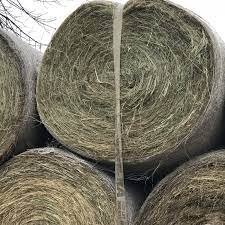

Wheat Straw for Sale – Quality Straw Bales for Livestock Bedding, Farms, Gardens and Agricultural Use
Looking for wheat straw for sale for your farm, ranch, stable, poultry house, garden, or agricultural business? Wheat straw is a versatile crop residue with many practical applications, from livestock bedding and poultry litter to garden mulch, composting, landscaping, and soil protection.
At Liams Family Farms, our Wheat Straw for Sale listing gives customers an online option for purchasing agricultural straw in different order quantities. Whether you are preparing animal housing, maintaining a poultry area, sourcing straw for a gardening project, or purchasing agricultural materials in bulk, choosing the right product is important.
Wheat Straw for Sale is produced from the dried stalks and leaves remaining after wheat grain has been harvested. It is different from wheat hay, alfalfa hay, timothy hay, and other forage products that are harvested primarily to feed animals.
This distinction matters. Wheat straw is commonly purchased for bedding and agricultural applications, while hay is generally selected according to an animal’s nutritional requirements.
If you are comparing wheat straw with rice straw, barley straw, oat straw, alfalfa hay, timothy hay, or meadow hay, this guide explains the differences, possible uses, storage recommendations, quality checks, and questions to ask before purchasing.
What Is Wheat Straw?
Wheat Straw for Sale is the dried plant material left after the wheat grain has been harvested. It consists mainly of the stems and leaves of the wheat plant.
After the wheat kernels are collected, the remaining stalks can be gathered, dried, baled, and used for various agricultural purposes.
Wheat Straw for Sale is a useful agricultural by-product because it can serve purposes beyond grain production. Farmers, livestock owners, gardeners, landscapers, and agricultural businesses may purchase it for different projects.
Common uses of wheat straw include:
- Cattle bedding
- Horse stall bedding
- Goat and sheep bedding
- Poultry litter
- Chicken coop bedding
- Garden mulch
- Composting
- Soil covering
- Erosion-control applications
- Landscaping projects
- Agricultural and farm maintenance
- Certain livestock roughage applications when appropriately managed
The best use depends on the straw’s quality, cleanliness, moisture, storage history, and intended application.
Wheat Straw vs Wheat Hay: Are They the Same?
No. Wheat straw and wheat hay are different agricultural products.
Wheat straw is the dried residue remaining after wheat grain harvest. It is commonly used for bedding, mulch, composting, and other agricultural applications.
Wheat hay is wheat forage harvested for feeding animals, generally before the plant reaches full grain maturity. Its nutritional characteristics depend on the crop and harvest stage.
This difference is important when buying agricultural materials. If you need straw for animal bedding, wheat straw may be an option. If you need forage for horses, cattle, goats, or rabbits, you should purchase an appropriate hay product.
Do not assume that a product advertised as wheat straw is equivalent to wheat hay or another livestock feed.
Why Choose Wheat Straw?
Wheat straw is a practical material for many agricultural and property-management projects. Its usefulness comes from its availability as a crop residue, its fibrous structure, and its suitability for several non-feed applications.
1. Wheat Straw for Livestock Bedding
One of the most common reasons people search for wheat straw for sale is to find bedding for farm animals.
Suitable dry straw can be spread in animal housing to create a bedding layer. It can be used in certain cattle sheds, calf pens, goat shelters, sheep housing, and other livestock areas.
When choosing wheat straw for livestock bedding, consider:
- Whether the straw is dry
- Whether it has a clean, natural smell
- Whether it contains visible mold
- Whether it has excessive dust
- Whether it contains unwanted foreign material
- Whether it is suitable for the animals in your housing system
- Whether it can be removed and replaced conveniently
Wet bedding should be managed promptly. Damp, heavily soiled, or moldy straw should not be left in animal housing.
A good bedding-management routine includes regular inspection, removal of wet material, and replacement as needed.
2. Wheat Straw for Horse Stalls
Horse owners often compare wheat straw with wood shavings, other straw types, and specialist stable bedding.
Wheat straw may be considered for horse stalls when the product is clean, dry, and suitable for the stable environment.
Before using wheat straw for horses, inspect it carefully. Check for:
- Excessive dust
- Musty or sour odors
- Visible mold
- Damp or deteriorating material
- Foreign objects
- Contamination
Horses with respiratory sensitivities may require specially selected low-dust bedding. Ask the supplier about product handling and dust characteristics rather than assuming any straw is completely dust-free.
Remember: wheat straw for horse bedding is not the same as hay for horses. Horses still need appropriate forage as part of their normal diet.
3. Wheat Straw for Cattle Bedding
Cattle farmers may use wheat straw as bedding in suitable housing systems.
It can be considered for cattle sheds, resting areas, calf pens, and other livestock facilities, depending on the farm’s management practices.
The appropriate bedding system depends on the number of animals, housing design, ventilation, drainage, manure-management routine, and local climate.
When purchasing straw for cattle bedding, consider the amount required to maintain a clean resting surface and how frequently it will need to be replaced.
Wheat straw can also be considered as a limited roughage ingredient in some cattle feeding systems, but its nutritional value is relatively low. It should not be treated as a complete cattle feed or a replacement for quality hay without professional ration planning.
4. Wheat Straw for Goats and Sheep
Goat and sheep owners may use suitable straw as bedding in shelters and animal housing.
A dry, clean resting area is important for animal comfort and housing hygiene. Bedding should be inspected regularly and replaced when it becomes wet, heavily soiled, or deteriorated.
Wheat straw may be one bedding option, depending on availability and the animals’ needs.
For feeding, goats and sheep require suitable forage and a balanced ration. Wheat straw is not equivalent to alfalfa hay, timothy hay, or quality grass hay.
5. Wheat Straw for Chickens and Poultry
Poultry keepers may search for wheat straw for chicken coops, poultry houses, nesting areas, and litter systems.
Suitable straw can provide a plant-based bedding material in poultry housing. It should be clean, dry, and managed to prevent excessive moisture and compacted litter.
When choosing wheat straw for chickens, consider:
- Dryness and cleanliness
- Dust levels
- Mold and musty odors
- Ease of spreading
- Ease of removing used litter
- Suitability for the poultry housing system
Inspect the coop regularly. Wet litter should be addressed because excessive moisture can contribute to poor housing conditions.
Wheat straw is not a complete chicken feed. Chickens need a balanced poultry ration, appropriate clean water, and suitable housing.
6. Wheat Straw for Garden Mulch
Gardeners may use wheat straw as a ground-cover material in suitable gardens and landscaping projects.
Mulch can help cover exposed soil, reduce direct sunlight reaching the soil surface, and support moisture management.
Wheat straw may be considered for:
- Vegetable gardens
- Flower beds
- Landscaping
- Around selected trees and shrubs
- Soil-cover applications
- Certain agricultural growing areas
Before applying wheat straw, consider its cleanliness and whether it contains viable wheat seeds or unwanted weed seeds.
If you are growing food crops, ask about the straw’s source and treatment history. Do not assume it is organic, pesticide-free, or weed-free unless the supplier can provide documentation.
7. Wheat Straw for Composting
Wheat straw can be a useful carbon-rich plant material in composting systems.
Compost generally needs an appropriate balance of carbon-containing materials, nitrogen-containing materials, moisture, and oxygen. Wheat straw can contribute fibrous plant material and structure to a compost pile.
It may be combined with suitable green plant matter, manure, and other compostable materials according to the composting method.
The correct mix depends on the materials, particle size, moisture, airflow, and intended composting process.
Avoid adding straw that is contaminated with chemicals or unsuitable materials to compost intended for sensitive uses.
8. Wheat Straw for Landscaping and Erosion Control
Wheat straw can be used in certain landscaping and soil-protection projects.
Depending on the project, straw may be spread over exposed ground, used as a temporary soil cover, or incorporated into an erosion-control plan.
For larger projects, buyers should confirm whether the straw is appropriate for the site and whether it meets the specifications required by the contractor or project manager.
Do not assume that ordinary baled wheat straw is certified for specialized erosion-control applications.
Wheat Straw Available at Liams Family Farms
Liam’s Family Farms provides an online product listing for customers looking to purchase Wheat Straw.
Product: Wheat Straw
Seller: Liams Family Farms
Category: Hay Bales
Product page: https://liamsfamilyfarms.com/product/wheat-straw/
The current product page displays a price range of $50.00–$2,700.00, depending on the selected quantity configuration.
Because the displayed price covers different purchasing options, buyers should review the quantity selector and confirm the exact order total before checkout.
For larger orders, contact Liam’s Family Farms to confirm:
- Current product availability
- Bale weight
- Bale dimensions
- Number of bales included in each quantity option
- Whether the product is supplied loose, baled, or palletized
- Whether the straw is intended for bedding, mulch, composting, or another use
- Product moisture and storage information
- Available quality documentation
- Delivery availability for your location
- Freight charges
- Loading and unloading requirements
- Any minimum order requirements
These details are especially important for customers buying large quantities of wheat straw for a farm, stable, poultry operation, landscaping project, or commercial agricultural business.
How to Identify Good-Quality Wheat Straw
The quality of wheat straw can vary according to crop conditions, harvest timing, drying, baling, handling, and storage.
Whether you are buying a few bales or arranging a large delivery, inspect the product before committing to a purchase whenever possible.
1. Check the Smell
Good stored straw should have a natural, dry plant-material smell.
Avoid material with strong musty, sour, or moldy odors. An unusual smell may indicate moisture damage or deterioration.
2. Check for Mold
Look for visible mold, unusual discoloration, damp patches, and signs of deterioration.
Do not use moldy straw for animal bedding. Avoid handling badly deteriorated material without appropriate precautions.
3. Check the Moisture
Straw intended for storage should be appropriately dry.
Damp material can deteriorate during storage, especially when tightly stacked without suitable airflow.
Ask the supplier about drying and storage conditions if you are purchasing a large order.
4. Inspect for Dust
Excessive dust may be undesirable in animal housing, particularly for horses and other animals with respiratory sensitivities.
Ask whether the supplier has information about dust levels and handling. Do not assume a product is completely dust-free without supporting specifications.
5. Look for Foreign Material
Inspect the straw for unwanted items such as:
- Plastic
- Stones
- Soil
- Rubbish
- Metal
- Other contaminants
Cleanliness is especially important for bedding and garden applications.
6. Check for Unwanted Seeds
If you are buying wheat straw for garden mulch, landscaping, or other applications where unwanted plant growth matters, ask whether the straw has been checked for viable grain and weed seeds.
Do not describe the product as seed-free unless the supplier confirms this.
7. Ask About Harvest and Storage
Ask the supplier how the wheat straw was harvested, dried, baled, and stored.
A product that has been protected from rain and ground moisture is generally easier to evaluate than material with an unknown storage history.
How to Store Wheat Straw Bales
Correct storage helps protect wheat straw from rain, ground moisture, contamination, and deterioration.
Whether you purchase small bundles or a large shipment, prepare the storage area before the straw arrives.
Recommended storage practices include:
- Store straw in a dry, covered location whenever possible.
- Keep bales away from standing water.
- Use pallets or a suitable barrier to separate bales from damp floors.
- Protect the material from rain and roof leaks.
- Allow suitable airflow around stored bales.
- Avoid stacking straw against damp walls.
- Keep the storage area clean and protected from pests.
- Inspect stored bales regularly.
- Avoid putting visibly wet straw into a tightly packed stack.
- Keep stored straw away from ignition sources.
- Follow appropriate farm fire-safety procedures.
How to Store Wheat Straw Long Term
For longer-term storage, use a dry area that protects straw from direct rainfall and ground moisture.
If outdoor storage is necessary, use a suitable cover and arrangement that reduces the chance of water entering the bales or collecting around the stack.
Inspect the material regularly for:
- Musty odors
- Visible mold
- Water damage
- Unusual heating
- Discoloration
- Deteriorating packaging
Separate and assess damaged material before using it.
Straw is a combustible agricultural material, so storage arrangements should also follow appropriate fire-prevention guidance.
Buying Wheat Straw in Bulk
Farm owners, livestock businesses, poultry keepers, gardeners, and landscaping contractors may need more than a few individual straw bales.
Buying in bulk can help organize larger projects, but the complete delivered cost matters more than the advertised price alone.
Before ordering, compare:
- Price per bale
- Bale weight
- Bale dimensions
- Number of bales
- Total order weight
- Packaging and pallet configuration
- Loading arrangements
- Unloading requirements
- Transportation charges
- Delivery destination
- Storage capacity
- Product condition
A lower price per bale may not provide the best value if the bale is smaller, freight is expensive, or the product does not suit the intended application.
Where Can I Buy Bulk Wheat Straw?
Potential sources include grain farms, local straw producers, agricultural suppliers, farm stores, livestock bedding distributors, and online agricultural retailers.
When comparing sellers, ask for current photographs, bale specifications, availability, and delivery information.
Liam’s Family Farms lists Wheat Straw online. Contact the business to confirm the available quantity options and whether transportation can be arranged for your destination.
Wheat Straw vs Rice Straw vs Barley Straw vs Oat Straw
Buyers often compare different cereal straws when purchasing bedding or agricultural materials.
Although these products come from grain crops, they can differ in physical characteristics, availability, palatability, and potential uses.
Wheat Straw
Wheat straw is the residue left after wheat grain harvesting. It is commonly used for bedding, mulch, composting, and other farm applications.
Rice Straw
Rice straw comes from rice plants after grain harvesting. It can be used for agricultural purposes, including bedding, composting, and other crop-residue applications.
Barley Straw
Barley straw is the residue left after barley grain harvest. Its uses may include animal bedding, agricultural applications, and certain livestock feeding systems.
Oat Straw
Oat straw is produced after harvesting oats. It is also used as agricultural residue and can be considered in certain livestock feeding programs.
Which Straw Is Best?
There is no single best straw for every application.
For bedding, compare cleanliness, dryness, handling, dust, and suitability for the animals.
For mulch, consider the crop source, unwanted seeds, cleanliness, and intended garden use.
For livestock feed, do not select straw based only on price or appearance. Obtain a feed analysis and consult a qualified livestock nutritionist.
Wheat Straw vs Alfalfa Hay vs Timothy Hay
Wheat straw, alfalfa hay, and timothy hay are different agricultural products.
Understanding their differences can prevent purchasing the wrong material.
Wheat Straw
Wheat straw is a cereal crop residue. It is commonly purchased for bedding, mulch, composting, and agricultural applications.
It is relatively low in protein and energy compared with quality forage hay.
Alfalfa Hay
Alfalfa is a legume forage. It is commonly used in livestock diets because it can provide more protein and calcium than many grass hays.
Alfalfa hay may be appropriate for certain horses, cattle, goats, rabbits, and other animals, depending on their nutritional needs.
Timothy Hay
Timothy is a grass forage commonly used in horse and small-herbivore feeding programs.
It is particularly familiar to rabbit and guinea pig owners because appropriate grass hay is an important part of their diets.
Alfalfa Hay vs Timothy Hay: Which Is Better?
The answer depends on the animal and its nutritional requirements.
Alfalfa is generally richer in protein and calcium than many grass hays. Timothy is commonly used as a grass forage for adult horses, rabbits, and guinea pigs.
Wheat straw is not an equivalent replacement for either product.
Frequently Asked Questions About Wheat Straw
What is wheat straw used for?
Wheat straw is used for livestock bedding, poultry litter, horse stalls, cattle housing, goat and sheep shelters, garden mulch, composting, landscaping, and selected soil-cover applications.
Is wheat straw the same as hay?
No. Wheat straw is the dried residue remaining after wheat grain harvesting. Hay is forage harvested and dried primarily for feeding animals.
Can wheat straw be used for animal bedding?
Suitable clean, dry wheat straw may be used as bedding in appropriate livestock housing systems. Inspect it for mold, excessive dust, moisture, and unwanted contaminants before use.
Is wheat straw good for chickens?
Wheat straw may be used as poultry bedding when it is clean, dry, and appropriate for the housing system. It is not a complete poultry feed.
Can wheat straw be used for horses?
Wheat straw may be considered for horse bedding if it is clean, dry, and appropriate for the stable. It should not be confused with hay for horses.
Can cattle eat wheat straw?
Wheat straw can be used as roughage in certain carefully balanced cattle diets. However, it is relatively low in protein and energy and should be supplemented appropriately.
Obtain a forage analysis and consult a livestock nutritionist before using wheat straw as a significant part of a cattle ration.
Can goats eat wheat straw?
Wheat straw is not a substitute for suitable goat forage. Goats require a balanced diet with appropriate fiber, protein, energy, minerals, and vitamins.
If wheat straw is being considered as a limited component of a feeding program, seek professional nutritional advice.
Is wheat straw good for rabbits?
Wheat straw should not replace the edible grass hay rabbits need. Adult rabbits generally require a continuous supply of suitable grass hay, such as timothy, orchard grass, or appropriate meadow grass.
Can guinea pigs eat wheat straw?
Wheat straw is not a substitute for the grass hay guinea pigs need. Adult guinea pigs generally require suitable grass hay, such as timothy or orchard grass, available throughout the day.
Can wheat straw be used as garden mulch?
Wheat straw may be used as mulch in suitable gardens and landscaping projects. Ask about the source and whether it contains viable grain or weed seeds.
Can wheat straw be composted?
Yes. Wheat straw can provide carbon-rich plant material for composting. It should be managed with suitable nitrogen-rich materials, moisture, and airflow.
How do I identify good-quality wheat straw?
Look for dry, clean material without visible mold, musty odors, excessive dust, or unwanted foreign material. Ask about harvest, storage, and handling.
How should wheat straw be stored?
Store wheat straw in a dry, covered, well-ventilated location. Keep bales away from ground moisture and rain, and inspect them regularly.
Can I buy wheat straw in bulk?
Bulk orders depend on available stock and the seller’s quantity options. Check the Liam’s Family Farms product page and contact the business to confirm the available configurations.
Does Liams Family Farms deliver wheat straw?
Delivery arrangements should be confirmed directly with Liams Family Farms. Provide your destination and requested quantity to ask about delivery eligibility and freight charges.
How much does wheat straw cost per bale?
Prices vary according to bale weight, size, quality, location, season, and transportation. The current Liams Family Farms listing displays a price range of $50.00–$2,700.00, depending on the selected quantity configuration. Confirm the number of bales and total order weight before purchasing.
What is the difference between wheat straw and rice straw?
Wheat straw comes from wheat plants after grain harvesting, while rice straw comes from rice plants after rice harvesting. Both are agricultural crop residues, but their physical characteristics and potential uses can differ.
Is wheat straw organic or pesticide-free?
Do not assume wheat straw is organic or pesticide-free. Ask the supplier for documentation supporting any such claim for the actual product.
Is wheat straw seed-free?
Seed-free status should only be claimed when the supplier confirms it. If you need wheat straw for garden mulch or landscaping, ask about viable grain and weed seeds before ordering.
Is wheat straw suitable for animals with respiratory sensitivities?
Animals with respiratory conditions may require specially selected low-dust bedding. Ask about dust levels and handling, and consult a veterinarian before changing the bedding used for an affected animal.
Frequently Asked Questions About Alfalfa Hay
Many people searching for wheat straw are also comparing alfalfa hay for livestock. These are separate products, so the answers below explain the differences without suggesting that the Wheat Straw listing is an alfalfa hay product.
Can I get alfalfa hay delivered to my farm or ranch?
Alfalfa hay delivery depends on the supplier, destination, quantity, and available transportation. Contact regional hay farms, agricultural suppliers, and livestock feed distributors to confirm whether they deliver to your property.
For Wheat Straw from Liam’s Family Farms, contact the business to confirm its own delivery arrangements.
What are the differences between various alfalfa hay brands available?
Alfalfa hay products can differ in crop variety, maturity at harvest, leaf retention, stem thickness, moisture, protein, fiber, bale size, and storage history.
Compare the actual forage analysis and product specifications rather than relying only on the brand name.
How do I identify high-grade alfalfa hay when shopping?
Look for a fresh forage smell, suitable dryness, good leaf retention, minimal dust, and no visible mold or contamination.
Request a laboratory analysis when nutritional consistency matters. These are alfalfa selection guidelines, not specifications for wheat straw.
What are the recommended storage solutions for keeping alfalfa hay fresh?
Store alfalfa hay in a dry, covered, well-ventilated area. Keep bales away from rain, standing water, and damp floors.
The same general moisture-control principles apply to wheat straw, although the intended uses differ.
How do I store alfalfa hay bales long term?
Use a dry covered building, suitable airflow, and protection from ground moisture and roof leaks. Avoid stacking damp hay in a way that traps moisture.
Which companies deliver alfalfa hay locally?
Potential sources include regional hay farms, agricultural cooperatives, feed stores, and specialist forage suppliers.
Ask about their delivery radius, minimum order, unloading arrangements, and complete freight cost.
What are the best online stores to order alfalfa hay with delivery services?
Compare established forage suppliers, agricultural retailers, and specialist hay businesses. Review product specifications, current availability, delivery terms, and customer feedback.
The Wheat Straw listing at Liam’s Family Farms is a separate agricultural straw product, not an alfalfa hay listing.
How much does premium alfalfa hay cost per bale on average?
There is no fixed national price. Cost depends on region, cutting, bale weight, quality, harvest season, and transportation.
Compare the cost per pound or kilogram and include delivery charges when calculating the final price.
Where can I find customer reviews for popular alfalfa hay products?
Check supplier product pages, agricultural retailer websites, farm supply stores, and independent review platforms.
Make sure the reviews refer to the same product and supplier. Reviews for alfalfa hay should not automatically be treated as reviews for wheat straw.
Which companies supply organic alfalfa hay in bulk?
Search for suppliers that can provide current organic certification for the actual alfalfa product. Verify the producer, certification scope, and documentation.
Do not assume wheat straw or alfalfa hay is certified organic without evidence.
Where can I buy high-quality alfalfa hay near me?
Consider regional hay farms, feed stores, agricultural cooperatives, and specialist forage suppliers. Ask for the current forage analysis, bale weight, and delivered price.
If you need straw rather than feed hay, compare wheat straw suppliers separately.
What are the top-rated brands of alfalfa hay for horses?
There is no universal ranking for every horse. Compare products by laboratory analysis, freshness, maturity, storage history, and suitability for the horse’s health and workload.
Is alfalfa hay good for goats?
Alfalfa can be useful in some goat feeding programs because it is generally richer in protein and calcium than many grass hays.
The right amount depends on the goat’s age, pregnancy or lactation status, and complete ration. Wheat straw should not be treated as a direct nutritional replacement for alfalfa.
Is alfalfa hay good for rabbits?
Alfalfa hay may be appropriate for young, growing, pregnant, or nursing rabbits in some feeding programs. Adult rabbits are generally offered suitable grass hay as their main forage.
Is alfalfa hay suitable for guinea pigs?
Alfalfa is generally more appropriate for young, growing, pregnant, or nursing guinea pigs than for healthy adults. Adult guinea pigs generally need suitable grass hay, such as timothy or orchard grass.
What is the difference between alfalfa hay and timothy hay?
Alfalfa is a legume forage, while timothy is a grass. Alfalfa is generally higher in protein and calcium than many grass hays.
Timothy is commonly used in feeding programs for adult horses and small herbivores. Wheat straw is a separate crop residue and is not nutritionally equivalent to either forage.
What are alfalfa hay cubes for horses?
Alfalfa hay cubes are compressed pieces of alfalfa forage. They are different from conventional baled hay and from wheat straw.
Follow the manufacturer’s feeding instructions and consult an equine nutritionist about whether they suit the horse’s ration.
What is the average cost of timothy hay per bale?
Timothy hay prices vary according to bale weight, cutting, grade, location, season, and shipping. Compare cost per pound or kilogram rather than comparing different bale sizes by their advertised price alone.
Frequently Asked Questions About Hay for Sale and Timothy Hay
What are the top-rated hay suppliers in the United States?
There is no single supplier ranking that applies to every region and forage type. Compare suppliers based on product transparency, quality documentation, customer service, availability, delivery arrangements, and complete delivered cost.
Can I purchase hay bundles suitable for small farms from online retailers?
Some online forage suppliers offer smaller bundles, compressed bales, and pallet quantities. Confirm the weight, dimensions, and shipping cost before purchasing.
Where can I find local suppliers of horse hay?
Search for regional hay farms, equine feed stores, agricultural cooperatives, and specialist forage suppliers. Ask for product specifications, storage history, and a current forage analysis.
Which companies offer organic hay for sale online?
Look for sellers that can provide current organic certification for the specific hay product. Verify the certification before purchasing.
Which companies offer financing or payment plans for large hay purchases?
Payment terms vary by supplier. Ask whether the business offers approved commercial accounts, payment plans, or financing for larger orders.
Do not assume financing is available unless the supplier confirms it.
How much hay does one horse eat per month?
A horse’s hay requirements depend on its weight, health, workload, pasture access, and overall feeding program.
For illustration, a 1,000-pound horse eating 20 pounds of hay daily would consume approximately 600 pounds over 30 days. This is a planning example, not an individual feeding recommendation.
How do I find hay sellers that specialize in custom hay blends?
Look for forage producers and agricultural nutrition suppliers that grow or prepare specific grass and legume combinations. Ask for the actual composition and nutritional analysis of the proposed blend.
What options are available for hauling large quantities of hay or straw?
Large shipments may require a suitable truck, trailer, forklift, loading equipment, or commercial freight service.
Confirm the total shipment weight, bale dimensions, loading arrangements, property access, and unloading requirements before transportation is arranged.
Where can I find hay that is certified pesticide-free?
Ask suppliers for documentation showing the crop’s production and treatment history. Do not assume hay or straw is pesticide-free based on appearance or marketing language.
What is the difference between first-cutting and second-cutting hay?
First and second cutting refer to different harvests during the growing season. They may differ in plant maturity, leaf-to-stem ratio, and nutritional characteristics.
Cutting number alone does not guarantee quality. Wheat straw is a grain-crop residue rather than a first- or second-cut forage hay, so these cutting terms should not be applied to the product unless the supplier specifically documents a relevant classification.
What kind of hay is best for dairy cows?
Dairy cows need forage selected according to milk production, body condition, stage of lactation, and the complete ration.
A forage analysis helps determine whether the hay provides suitable energy, protein, fiber, and minerals. Wheat straw may have limited use in carefully balanced cattle rations, but it is not equivalent to quality dairy hay.
Which brands provide dust-free hay options for animals with allergies?
Ask suppliers whether they offer tested or specially handled low-dust forage. Do not assume a product is completely dust-free without supporting specifications.
For animals with respiratory conditions, consult a veterinarian before changing bedding or forage.
How do I identify good-quality horse hay?
Look for a fresh smell, appropriate dryness, minimal dust, no visible mold, no foreign material, and suitable plant maturity.
Request a laboratory analysis when precise nutritional information is required.
What are the best websites to order hay with fast shipping?
Compare specialist forage suppliers, regional farm businesses, agricultural retailers, and online livestock-feed stores.
Confirm that the supplier ships to your destination and that the delivery estimate applies to your order quantity.
How do I compare prices for different types of feed hay?
Compare product type, bale weight, nutritional analysis, price per pound or kilogram, freight, unloading, and storage losses.
Do not compare wheat straw directly with alfalfa or timothy hay as if the products were nutritionally interchangeable.
What factors affect hay and straw prices?
Prices can be influenced by weather, harvest yields, regional supply, bale size, quality, storage, fuel, labor, transportation, and seasonal demand.
Where can I find farmers selling forage directly to consumers?
Search for local farms, hay producers, agricultural cooperatives, and farm-direct marketplaces. Ask about the crop, harvest, storage, bale weight, quality, and collection or delivery arrangements.
Are there reliable sources for small square bales?
Regional farms, agricultural retailers, livestock feed stores, and specialist suppliers may offer small square bales. Confirm the actual weight and dimensions because bale sizes vary.
Where can I find hay auctions or sales events nearby?
Check regional agricultural auction houses, livestock markets, county agricultural events, farm organizations, and local farming groups. Confirm the event date, location, and buyer requirements before travelling.
Location-Based Searches for Wheat Straw and Hay for Sale
Customers often include their city or state when searching for wheat straw, livestock bedding, hay, or agricultural supplies.
If you are searching for wheat straw for sale near me, straw bales for sale near me, bulk wheat straw, or livestock bedding straw, compare sellers based on product availability, bale size, transportation, and delivered price.
Other common searches include:
- Hay for sale near me
- Hay for sale near my location
- Hay for sale around me
- Hay for sale near me delivered
- Hay for sale near me within 5 miles
- Hay for sale near me within 20 miles
- Wheat straw bales for sale
- Straw for sale near me
- Bulk straw for sale
- Agricultural straw for sale
- Livestock bedding straw for sale
- Wheat straw for animal bedding
- Wheat straw for poultry bedding
- Wheat straw for garden mulch
Buyers may also search for hay or straw in:
- Kansas
- Oklahoma
- Pennsylvania
- North Dakota
- South Dakota
- Missouri
- Texas
- Arizona
- Colorado
- Wyoming
- Nebraska
- Montana
- Ohio
- Kentucky
- Tennessee
- Georgia
- Wisconsin
- Michigan
- Maine
- Minnesota
- Idaho
- Utah
- Oregon
- Alaska
- New Jersey
- New Hampshire
- Vermont
- Connecticut
- North Carolina
City-specific search examples include San Antonio, Ocala, Rapid City, Tucson, Phoenix, Spokane, Albuquerque, Wichita KS, Bakersfield, Lexington KY, Cortez CO, Farmington NM, Casper WY, Cheyenne WY, Colorado Springs, Fort Collins, Helena MT, Roswell NM, Houston, and East Texas.
Other online marketplace searches include:
- Hay for sale on Craigslist
- Hay for sale near me Craigslist
- Hay for sale on Facebook
- Hay for sale on Marketplace
- Hay for sale near me by owner
- Hay for sale Tractor Supply
- Hay for sale ads
- Hay for sale round bales
- Full-size hay bales for sale
- Large hay bales for sale
- Hay bales for sale
- Small square bales for sale
- Hay for sale in Oklahoma Craigslist
These are examples of buyer searches, not a statement that Liam’s Family Farms delivers to every location listed. Confirm delivery eligibility and freight charges directly with the business.
Timothy Hay and Small-Pet Forage: What Buyers Should Know
Some people searching for wheat straw are also looking for timothy hay, alfalfa hay, and other forage products for rabbits and guinea pigs.
These products have different uses and nutritional characteristics.
What Are the Nutritional Benefits of Timothy Hay for Rabbits?
Suitable timothy hay provides dietary fiber that supports normal digestion and chewing behavior in rabbits.
Adult rabbits generally need an abundant supply of appropriate grass hay. Timothy is one option, alongside suitable orchard grass and meadow grass.
Choose clean, dry hay without visible mold or excessive dust.
How Do I Choose Premium Timothy Hay for Rabbits?
Look for a fresh natural smell, suitable dryness, good texture, and minimal dust. Avoid hay that is damp, musty, moldy, or contaminated.
Ask about harvest, handling, and storage, particularly when purchasing large quantities.
Is Timothy Hay Suitable for Guinea Pigs?
Timothy hay is a common grass-hay choice for adult guinea pigs. Appropriate grass hay should be available continuously alongside a balanced guinea pig diet and clean drinking water.
What Is the Difference Between First-Cut and Second-Cut Timothy Hay?
First-cut timothy may have a coarser texture depending on the maturity of the plants at harvest. Second-cut timothy may be softer or leafier, but this is not guaranteed.
Compare the actual product rather than assuming that a particular cutting number automatically means higher quality.
What Is Timothy Hay and Orchard Grass?
Timothy and orchard grass are different grass forage types. Both can be used in suitable feeding programs for horses and small herbivores.
The best choice depends on the animal, product quality, availability, nutritional needs, and feeding preferences.
What About Oxbow Timothy Hay?
Oxbow is a pet-food brand associated with small-animal hay and related products. When comparing Oxbow timothy hay with other products, review the package details, forage type, freshness, and suitability for the animal.
Wheat straw is not a substitute for branded rabbit or guinea pig feeding hay.
Can Young Rabbits Eat Timothy Hay?
Young rabbits have different nutritional requirements from adult rabbits. Alfalfa is commonly included in the diets of growing rabbits, while suitable grass hay may also be offered.
Ask a rabbit-savvy veterinarian about the appropriate feeding program and transition as the rabbit matures.
What Is Rabbit Food Without Timothy Hay?
Rabbits can receive suitable grass hays other than timothy, including orchard grass and appropriate meadow grass.
A rabbit’s diet should still provide adequate fiber and be appropriate for its age and health. Wheat straw should not be used as a replacement for edible rabbit hay.
Order Wheat Straw from Liams Family Farms
Whether you need wheat straw for livestock bedding, poultry housing, composting, garden mulch, landscaping, or another agricultural application, make sure the product is suitable for your intended use.
Visit the Wheat Straw product page, review the available quantity options, and contact Liam’s Family Farms if you need more information about bale specifications, large orders, or delivery.
Shop Wheat Straw:
https://liamsfamilyfarms.com/product/wheat-straw/
Browse Hay Bales:
https://liamsfamilyfarms.com/product-category/hay-bales/
Explore Meadow Hay:
https://liamsfamilyfarms.com/product/meadow-hay/
Contact Liam’s Family Farms:
https://liamsfamilyfarms.com/contact-us/
Email: Contact@liamsfamilyfarms.com
Phone: +1 (919) 279-3789
For bulk orders, provide your destination and estimated quantity so the team can confirm the available purchasing and transportation options.
Choose the right agricultural material for your project. Explore Wheat Straw at Liam’s Family Farms and confirm the product details before checkout.
Important use reminder: Wheat straw is primarily an agricultural residue used for bedding and other farm applications. Although it can be used as limited roughage in some livestock diets, it is not a complete feed and should not replace suitable forage. Consult a qualified livestock nutritionist before using it as a significant part of an animal’s ration.
| QUANTITY | 1 BALE, FULL LOAD |
|---|
Be the first to review “WHEAT STRAW”
Related products
Hay Bales
Hay Bales
Hay Bales
Hay Bales
Hay Bales
Hay Bales
Hay Bales
Reviews
There are no reviews yet.